
Last Updated on September 2, 2026 by Ioana
Expedition and small-ship cruises can take solo travelers to places that are difficult to reach independently. Reaching polar coastlines, remote islands and long river routes can involve complicated transport, permits or specialist navigation. A cruise simplifies much of that planning.
That can mean visiting Antarctic landing sites, isolated archipelagos and remote coastal communities without having to organize every transfer yourself.
Smaller vessels can also access bays and landing points that larger ships cannot, with days built around shore excursions, wildlife encounters and time off the ship.
The five cruises below are especially well suited to solo travelers who want meaningful access to remote destinations without giving up independence. This blog post contains affiliate links. When you make a purchase I may get a small commission at no extra cost to you. Find out more here.
Planning your next trip? Check out these helpful resources:
Antarctica: The Only Continent With No Native Land Mammals
Antarctica has no naturally occurring terrestrial mammals, reptiles or amphibians, with most of its larger wildlife concentrated along the coast and in the surrounding Southern Ocean.
Penguins, seals and seabirds are a major part of shore landings, but visitors must keep their distance and follow wildlife-specific guidance.
IAATO rules limit vessel landings to a maximum of 100 passengers ashore at one site at a time, with stricter limits applying in some locations.
Most Antarctic Peninsula cruises leave from Ushuaia and spend around two days crossing the Drake Passage in each direction, although sea conditions can affect the timing.
Once south, expedition days may include Zodiac cruises, wildlife viewing and shore landings, with naturalists adapting plans around weather, ice and local conditions.
For solo travelers eyeing Antarctica cruises, cabin arrangements are worth checking before booking. Some expedition operators offer dedicated single cabins, while others match solo passengers with a roommate so they can avoid a single supplement.
That setup makes Antarctica particularly workable for independent travelers who want access to remote landing sites without arranging specialist transport themselves.
The Galápagos Islands: Where Darwin’s Theory of Evolution Began
The Galápagos Islands lie roughly 600 miles off mainland Ecuador and were formed through volcanic activity above the Nazca Plate.
Charles Darwin spent about five weeks here in 1835 during the voyage of HMS Beagle, collecting specimens and recording observations that later became important to his thinking about evolution and geographical isolation. Today, 97% of the archipelago’s land area is protected within Galápagos National Park.
Small expedition vessels move between islands including Española, Genovesa and Fernandina, giving passengers access to wildlife and landscapes spread across a wide area.
Marine iguanas feed along rocky shores, flightless cormorants breed around the western islands, and snorkeling excursions can bring visitors into the water with sea turtles and sea lions.
Visits to protected sites follow designated routes and activities under the supervision of licensed naturalist guides.
A small-ship itinerary takes much of the inter-island planning out of the trip without reducing the time spent off the vessel.
Days may include guided walks, Zodiac or panga rides, kayaking and snorkeling, depending on the route and conditions.
Sailing between islands also allows several distinct parts of the archipelago to be included in one itinerary without arranging separate flights and boat transfers.
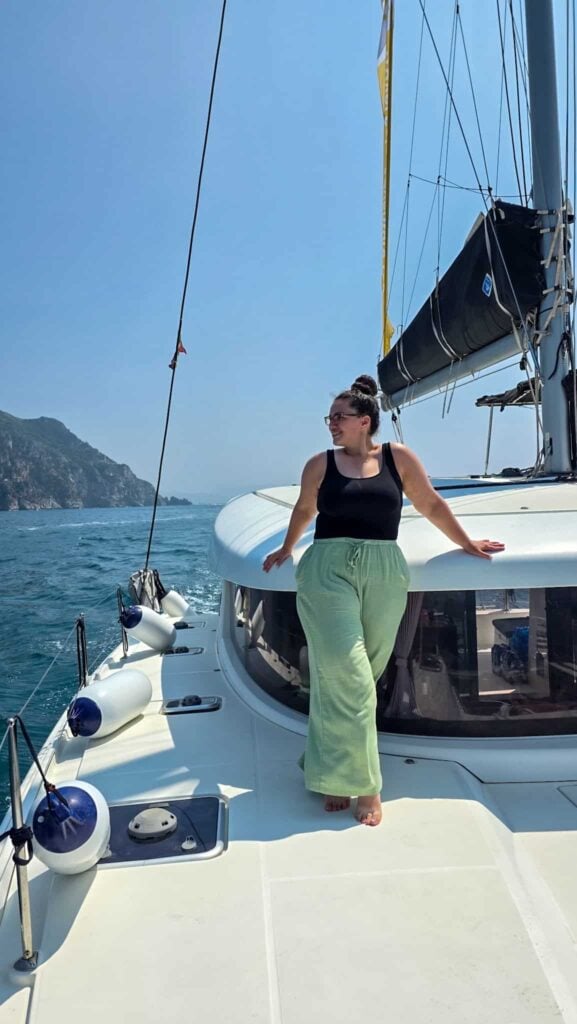
Norway: Home to Thousands of Fjords
Norway’s coastline measures more than 62,000 miles when its fjords and islands are included, with more than 239,000 islands scattered along the shore.
The Coastal Express has linked communities between Bergen and Kirkenes since 1893 and still serves cruise passengers and local communities.
Its ships call at 34 ports, carrying residents, cargo and vehicles alongside travelers following the full coastal journey.
North of the Arctic Circle, the route passes through Lofoten and Vesterålen, where mountains rise to around 3,000 feet above the surrounding waterways.
Ships may also enter Trollfjord when conditions allow. At its narrowest, the fjord is only about 100 meters wide, leaving just enough room for larger coastal vessels to enter and turn before sailing back out.
During winter, long hours of darkness and stretches of coast with little artificial light also give passengers a chance to watch for the Northern Lights from deck.
The appeal is partly the freedom to decide how much of the journey to structure, which works particularly well when traveling alone. Some port calls last only minutes, while longer stops in places such as Tromsø and Kirkenes leave time for excursions.
Options include husky sledding and king crab trips around Kirkenes, depending on the season. Because the ship also functions as coastal transport, the journey gives a closer look at everyday life along Norway’s remote northern coastline than a conventional cruise itinerary would.
The Nile: A River That Flows North, Not South
The Nile runs north for about 4,132 miles before reaching the Mediterranean, with one of Egypt’s main cruise routes following roughly 130 miles of river between Luxor and Aswan.
Along this stretch, green agricultural land forms a narrow corridor between the river and the surrounding desert, with major archaeological sites concentrated close to the water.
Cruise itineraries commonly stop near Kom Ombo and Edfu. Kom Ombo is unusual for its symmetrical double design, with sections dedicated to Sobek and Harwer, while Edfu’s Temple of Horus was constructed between 237 and 57 BCE.
Ships also pass through the Esna Lock between Luxor and Edfu, while traditional feluccas remain a familiar sight around Aswan.
The advantage is having river transport and guided archaeological visits organized within the same itinerary. Egyptologists accompany excursions to sites along the route, while places farther from the river, including the Valley of the Kings, are reached by road from scheduled stops.
That structure makes it possible to cover several major sites without arranging separate intercity transport for each stage of the journey.
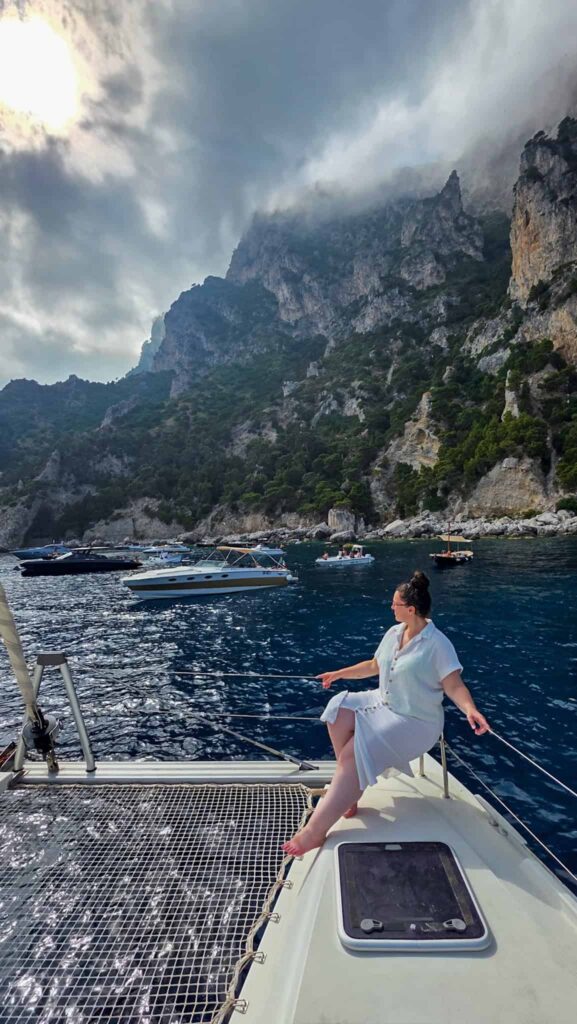
Alaska: Home to Roughly 27,000 Glaciers
Alaska has around 27,000 glaciers according to the most recent comprehensive survey, with glacial ice covering roughly 5% of the state.
Small expedition ships are particularly well suited to the Inside Passage, where narrow fjords, islands and sheltered waterways allow smaller vessels to reach wilderness areas and anchorages beyond the usual large-ship ports.
Many carry fewer than 100 passengers and use kayaks or small boats for excursions away from the vessel.
In Glacier Bay National Park, Margerie Glacier reaches the sea at the head of Tarr Inlet, where ships may pause to watch for ice calving from its roughly 200-foot face.
Farther south, Frederick Sound is an important summer feeding area for humpback whales, while other parts of the Inside Passage provide opportunities to see sea otters, sea lions and bears along the shoreline.
Days on smaller expedition vessels can include kayaking, hiking through temperate rainforest and naturalist-led shore excursions, depending on the itinerary and conditions.
Southeast Alaska also experiences substantial tidal changes, which expose intertidal areas at low tide and continually reshape what can be explored from the water.
With fewer fixed port calls than a conventional cruise, the emphasis stays on the coastline, wildlife and time spent off the ship.
Which of these could you sail solo?
A cruise can make remote destinations much easier to experience alone, especially when the route involves specialist transport, protected sites or long stretches between stops.
From Antarctic ice to Nile temples, each route is shaped by the place itself rather than the ship.
Before booking, it is worth comparing ship size, cabin options, season and the amount of time spent off the vessel.
Some itineraries focus heavily on guided landings and wildlife, while others allow more time in towns, archaeological sites or along the coast.
Ultimately, the destination and experiences matter more than the fact that you are traveling alone.

Ioana is a Romanian-born solo traveler and full-time travel blogger who has explored 30+ countries since starting her solo adventures at age 31. She shares practical, experience-based travel tips, detailed itineraries, and insider recommendations to help you plan your trips with confidence and experience destinations like a local. Her blog gets 100K+ monthly readers and her Instagram community has 80K+ people. Her work has been featured in BBC, The Daily Express, Euronews, Bored Panda, Yahoo, MSN and more. Learn more about her here.