
Last Updated on April 21, 2026 by Ioana
Dublin might not get as much attention as cities like Paris or Madrid, but it’s one of the most charming capitals in Europe. I visited Dublin on a solo trip and instantly loved its cozy feel, historic streets, and laid-back energy.
What makes Dublin special is how walkable and compact it is. You can explore most major attractions in just a couple of days, but there’s also a lot to do beyond the city, from iconic day trips like the Cliffs of Moher to hidden gems you wouldn’t find on your own.
In this 4 day Dublin itinerary, I’ll show you exactly how to plan your trip step by step. It includes must-see landmarks, unique experiences, and the best day trips from Dublin, plus tips based on my own visit. This post contains affiliate links. When you make a purchase I may get a small commission at no extra cost to you. Find out more here.
✈️ Planning your Dublin trip?
If you want to keep things simple, these are the best things to book in advance:
🎟️ Top experiences in Dublin
- 👉 Guinness Storehouse entry ticket
- 👉 St Patrick’s Cathedral admission
- 👉 Book of Kells, Dublin Castle & Christ Church guided tour
- 👉 River Liffey sightseeing cruise
🍀 Unique experiences in Dublin
- 👉 Irish music & dance show with lesson
- 👉 Vintage afternoon tea bus tour
- 👉 Forge a silver ring workshop
- 👉 Dublin highlights & hidden gems walking tour
🌍 Best day trips from Dublin
- 👉 Cliffs of Moher, Burren & Galway day trip
- 👉 Wicklow Mountains, Glendalough & Kilkenny
- 👉 Giant’s Causeway & Belfast tour
- 👉 Game of Thrones Studio tour
🏨 Where to stay in Dublin
Day 1: Dublin city center, history, and classic experiences
Your first day in Dublin is all about exploring the city center and getting familiar with its history, culture, and atmosphere.
Since most attractions are close to each other, you can easily explore on foot without rushing. This day is focused around Temple Bar, Trinity College, and the River Liffey.
Morning: Start with a guided walking tour
The best way to begin your trip is with a walking tour. It gives you context, helps you understand the city layout, and makes everything else easier to explore afterward.
This 2-hour tour covers many of Dublin’s key landmarks, including Temple Bar, Trinity College, the River Liffey, Ha’penny Bridge, and the GPO.
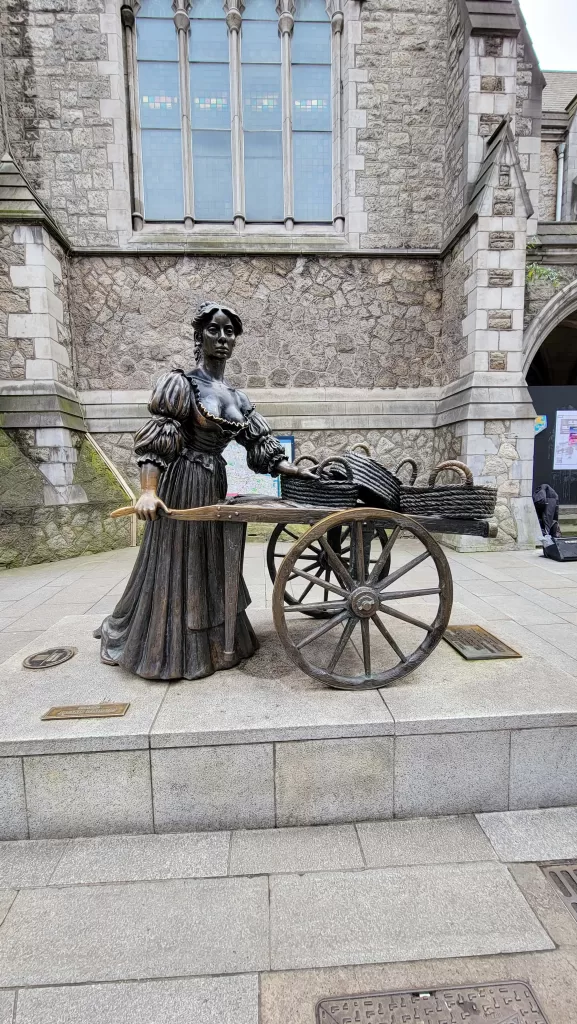
You’ll also learn about Viking and medieval Dublin, which adds a lot more depth to what you’ll see later on your own.
Have lunch in Temple Bar
After the tour, you’ll already be in the Temple Bar area, which is the perfect place to stop for lunch.
This area is packed with pubs and restaurants, so you’ll have plenty of options. It’s touristy, but the atmosphere is lively and it’s part of the Dublin experience.
If you want something traditional, go for Irish stew or fish and chips. If you prefer something quick, there are also plenty of casual spots nearby.
Afternoon: choose your experience based on your travel style
At this point, you can tailor the rest of your day depending on what you enjoy most.
Option 1: Deep dive into Dublin’s history
If you enjoy history and want a more structured experience, go for a second guided tour.
This 3-hour tour (starting around 2:30 PM) includes Trinity College, the Book of Kells, Dublin Castle, and Christ Church Cathedral.
It’s the best way to understand Dublin’s history in depth, especially if it’s your first visit.
This tour focuses on Dublin’s most important historical sites and gives you much more context than you’d get visiting on your own.
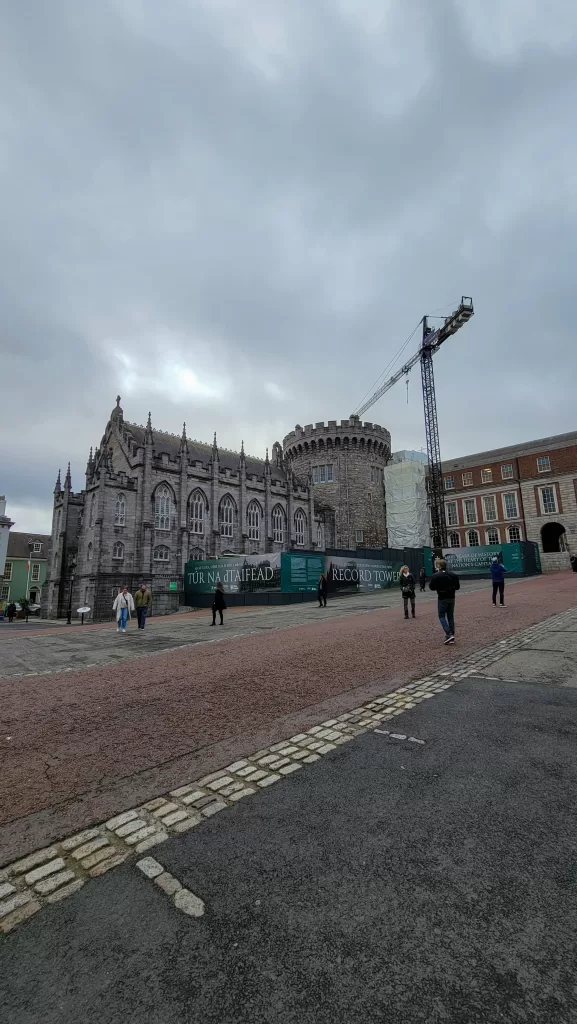
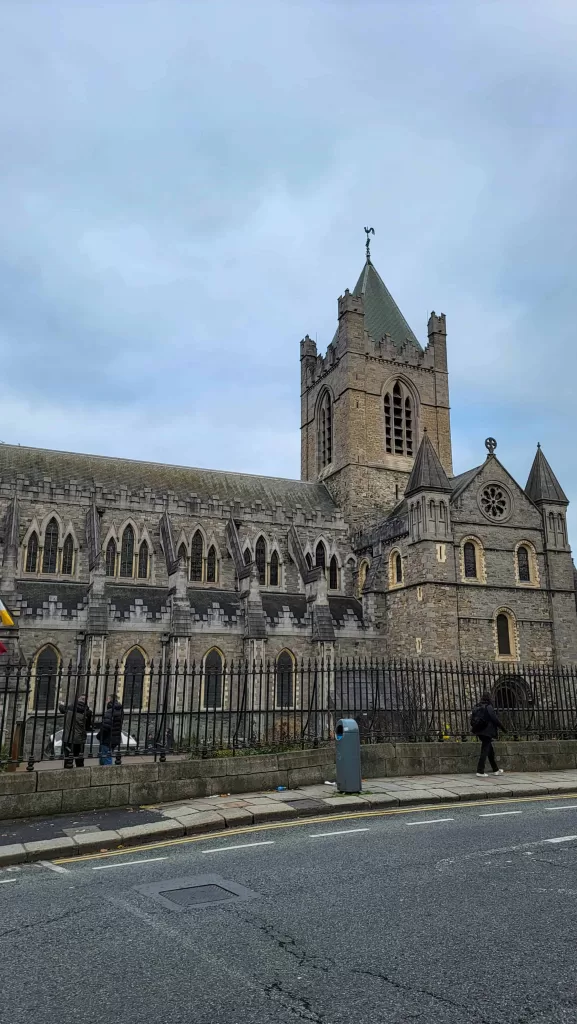
You’ll explore Dublin Castle, which dates back to the 13th century and played a key role during British rule in Ireland, as well as Christ Church Cathedral, one of the city’s oldest buildings with a fascinating medieval crypt.
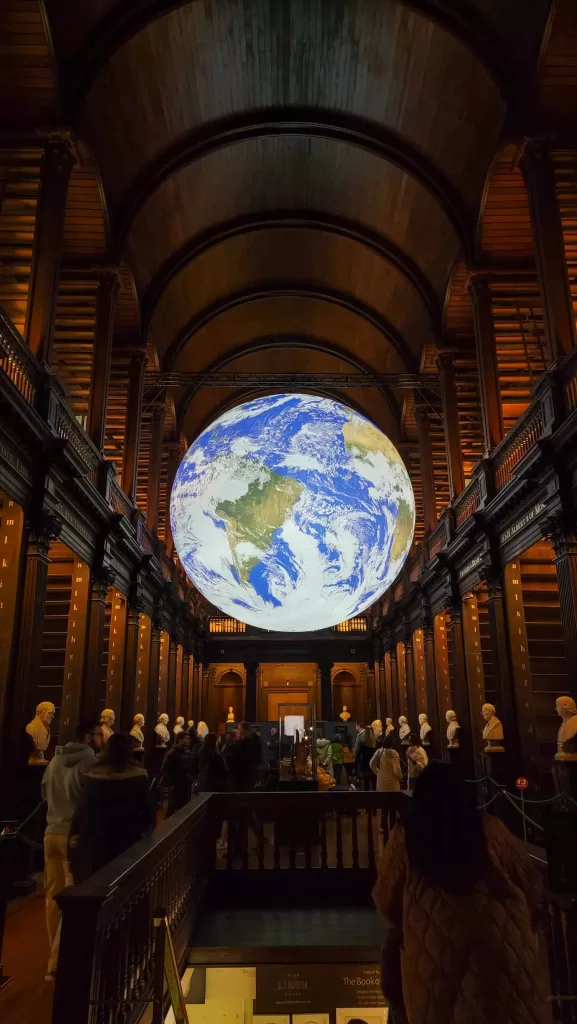
It also includes Trinity College and the Book of Kells, one of Ireland’s most important cultural treasures. The Long Room library alone is worth it and is one of the most beautiful libraries in the world.
Option 2: Relaxed afternoon on the River Liffey + afternoon tea vintage bus experience
If you prefer something more relaxed after a busy morning, the River Liffey cruise is a great alternative.
The cruise gives you a different perspective of Dublin and lets you see many landmarks from the water while resting your feet.
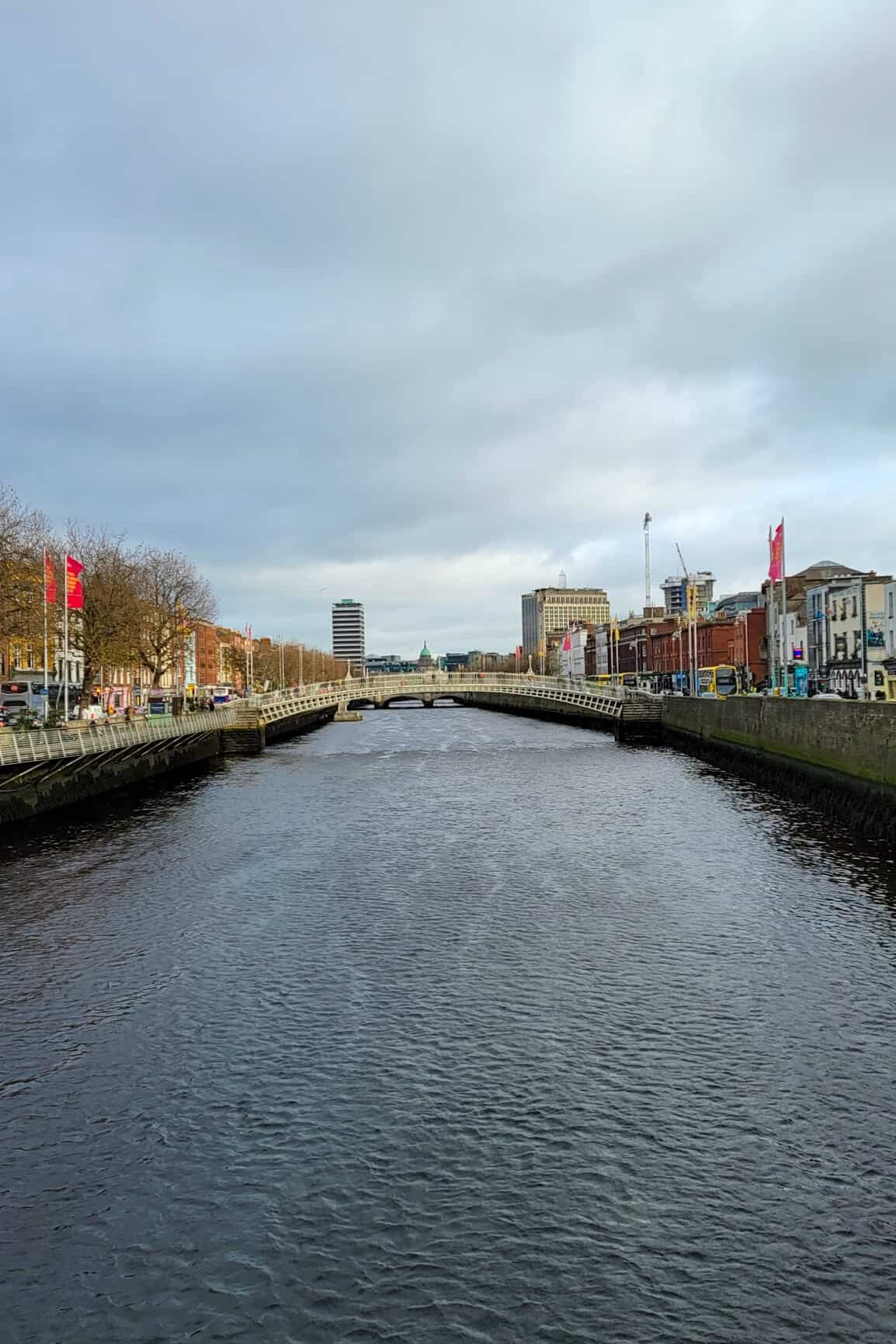
It’s a great balance to the walking tour and feels much more laid-back than doing two tours in one day.
Then, for something a bit more unique, this is one of the most fun experiences you can have in Dublin:
You’ll ride through the city on a vintage double-decker bus while enjoying afternoon tea.
It’s a very different way to see Dublin and a nice mix of sightseeing and relaxing.
Evening: dinner, drinks, and live music
End your first day with a classic Dublin pub experience.
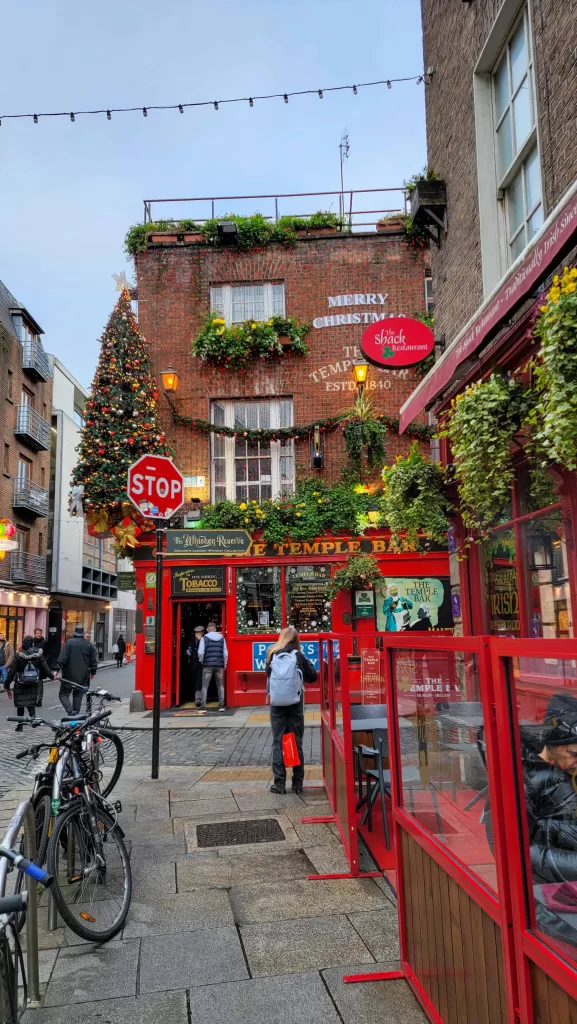
Head back to Temple Bar or explore nearby areas for something slightly less crowded. Either way, you’ll find live music, a great atmosphere, and plenty of traditional food options.
This is one of the best parts of Dublin, so take your time and enjoy it.
Day 2: Guinness, Jameson, and Dublin’s cultural side
Day 2 is all about iconic Irish experiences, history, and a more local side of Dublin. Compared to Day 1, this day is slightly less rushed and more experience-focused.
I followed a very similar route when I visited, and grouping these attractions together saves you a lot of time.
Morning: Kilmainham Gaol (book in advance)
Start your day with one of the most impactful places in Dublin.
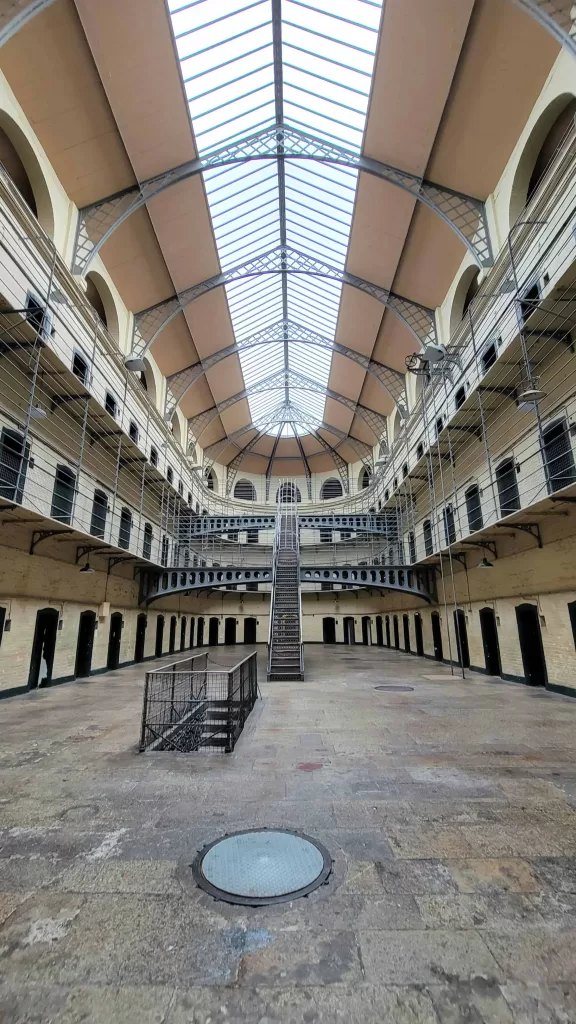
Kilmainham Gaol is a former prison where many Irish revolutionaries were imprisoned and executed. It’s one of the most important historical sites in Ireland and gives you a deeper understanding of the country’s past.
Tickets sell out quickly, so make sure to book at least 1–2 weeks in advance.
Even if you’re not usually into history, this is absolutely worth it.
Late morning: Guinness Storehouse (iconic Dublin experience)
After Kilmainham, head to one of Dublin’s most famous attractions.
The Guinness Storehouse is an interactive experience spread across multiple floors where you’ll learn how Ireland’s most famous beer is made.
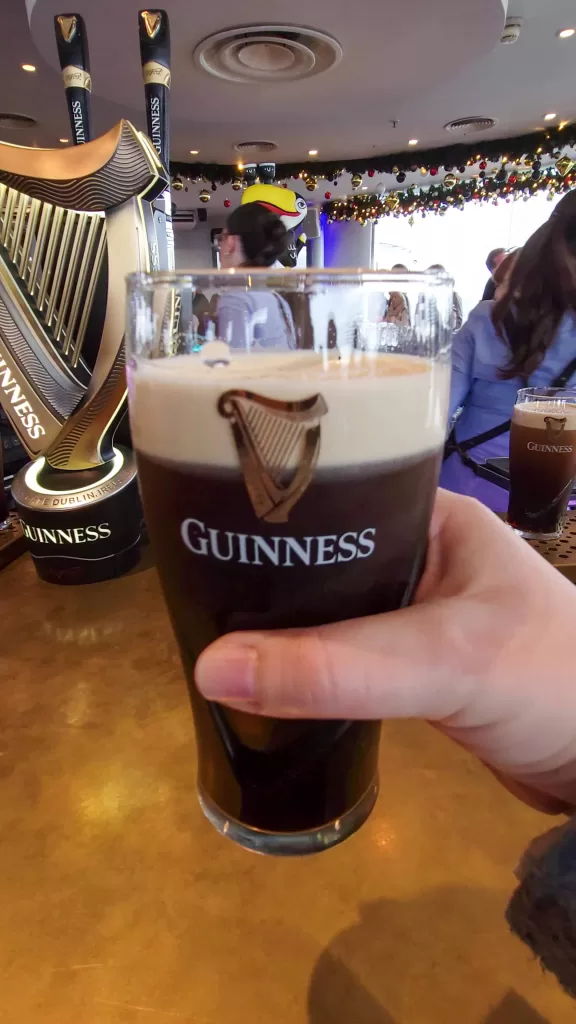
At the end of the visit, you’ll get a pint at the Gravity Bar, which offers panoramic views over Dublin.
Even if you’re not a big beer drinker, this is still one of the best experiences in the city.
Lunch: Guinness Storehouse or nearby
You can have lunch directly at the Guinness Storehouse, which has several dining options with great views.
I recommend the 1837 Bar & Brasserie. They serve staples of traditional Irish cuisine like beef & Guinness stew, along with other popular classics like cheeseburgers. And look at that view!
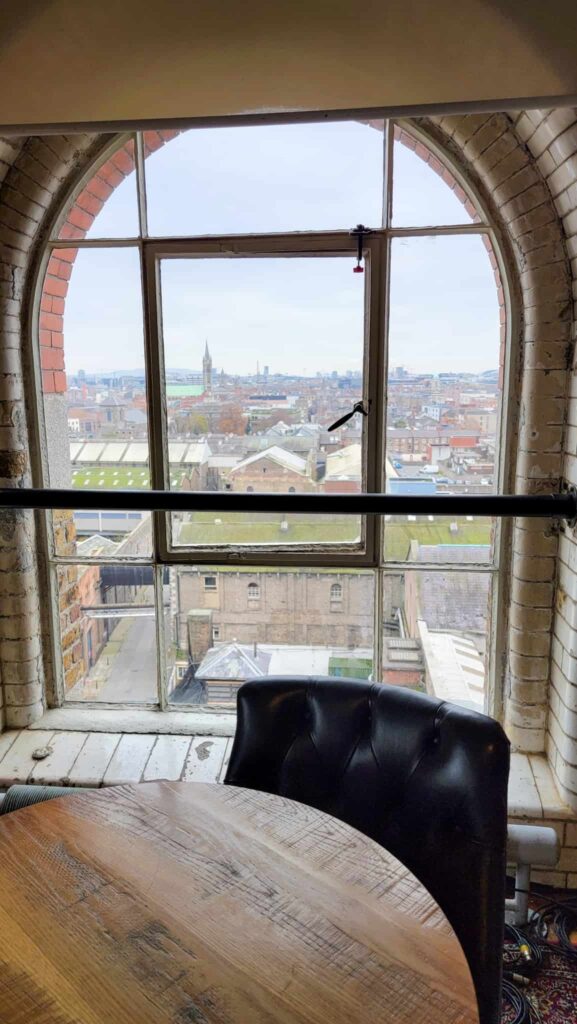
Alternatively, there are a few local spots nearby if you prefer something more casual.
Afternoon: Jameson Distillery (short walk away)
From Guinness, it’s a short ride or walk to the Jameson Distillery, which makes this pairing perfect for the same day.
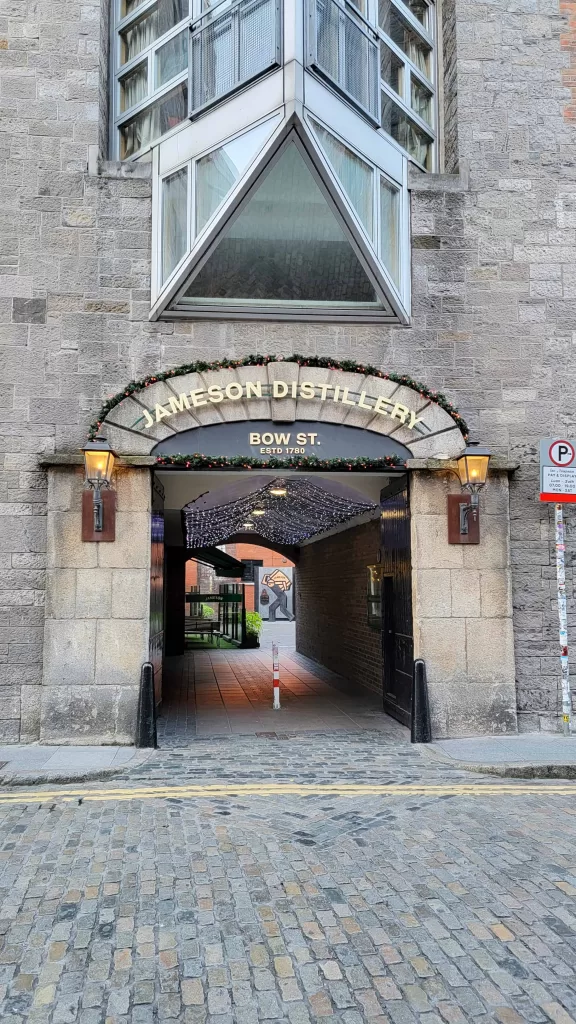
While the original distillery is no longer operational, the experience here is very interactive and fun.
You’ll learn about the whiskey-making process and finish with a tasting session.
Compared to Guinness, this feels more intimate and relaxed, so it balances the day nicely.
Late afternoon: explore Smithfield or relax
After Jameson, take some time to explore the Smithfield area or just relax with a coffee or drink.
At this point, you’ve done quite a lot, so slowing down a bit makes the day feel more enjoyable.
Evening: Irish music & dance experience
For your second evening in Dublin, I highly recommend doing something more cultural.
This is such a unique Dublin experience and a great way to connect with Irish culture beyond pubs.
You’ll enjoy live traditional music and even learn a few dance steps yourself. It’s interactive, lively, and one of the most memorable things you can do in Dublin.
Day 3: Food, hidden gems, and unique Dublin experiences
Day 3 is all about slowing down and experiencing a more local, creative side of Dublin. After two days of sightseeing, this is where you can enjoy the city at a more relaxed pace.
This ended up being one of my favorite days because it felt less structured and more personal.
Morning: discover Dublin through its food
Start your day with one of the best ways to experience Dublin: through its food scene.
This guided tour takes you around the city while sampling traditional Irish dishes and learning more about Dublin’s food culture.
It’s a great way to:
- Try local specialties you might not order on your own
- Get recommendations from a local guide
- Combine sightseeing with food
Irish cuisine is often underrated, but this experience really highlights how comforting and flavorful it can be.
Afternoon: explore Dublin’s charming corners on foot
After the food tour, take your time wandering through some of Dublin’s most charming and photogenic spots.
Start with Anne’s Lane, also known as Dublin’s Umbrella Street. It’s colorful, fun, and one of the best Instagram spots in Dublin.
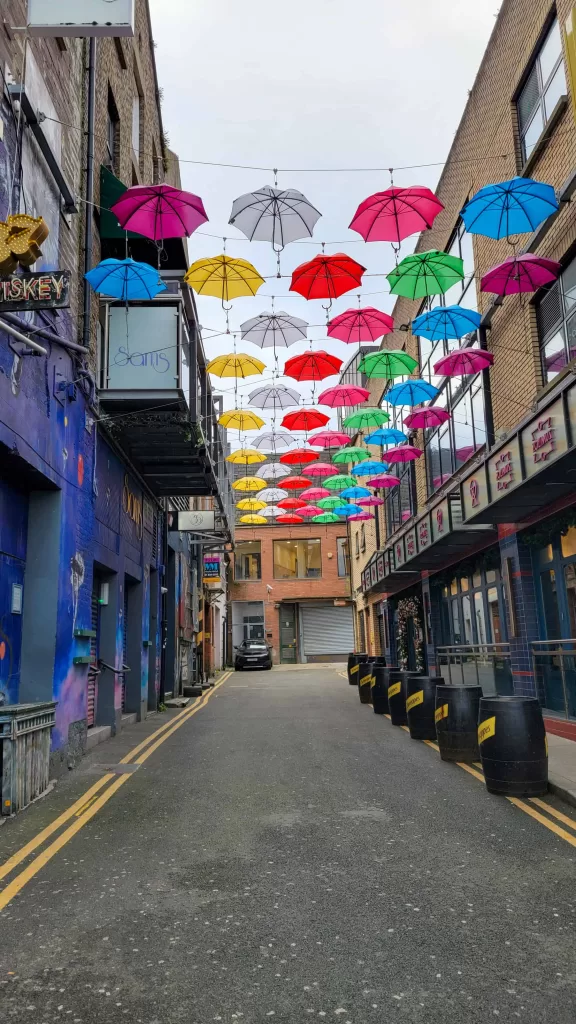
From there, head toward Merrion Square, where you can see two of Dublin’s most iconic sights:
- The Oscar Wilde statue, located right across from his childhood home
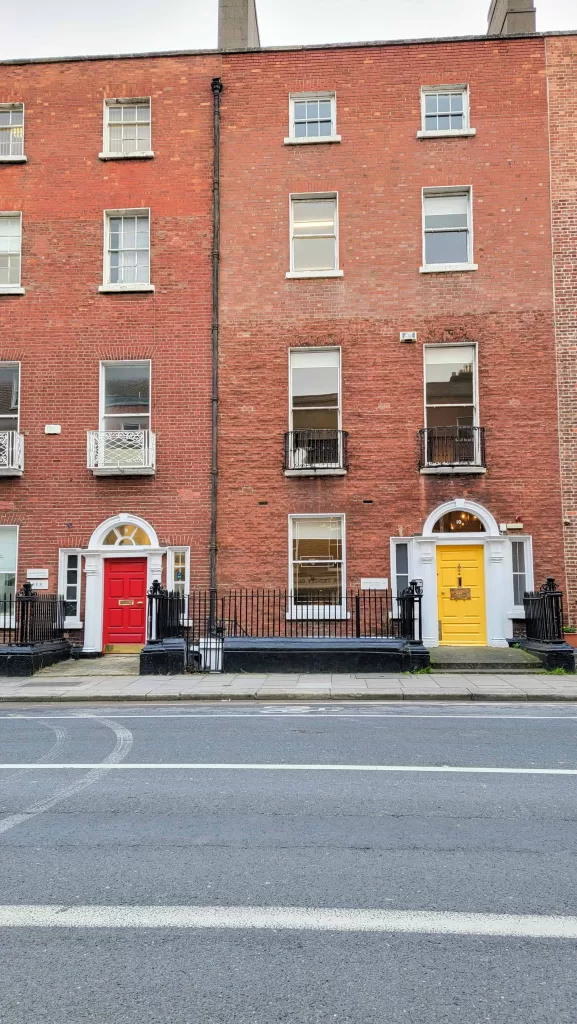
- The famous Doors of Dublin, with their bright Georgian colors
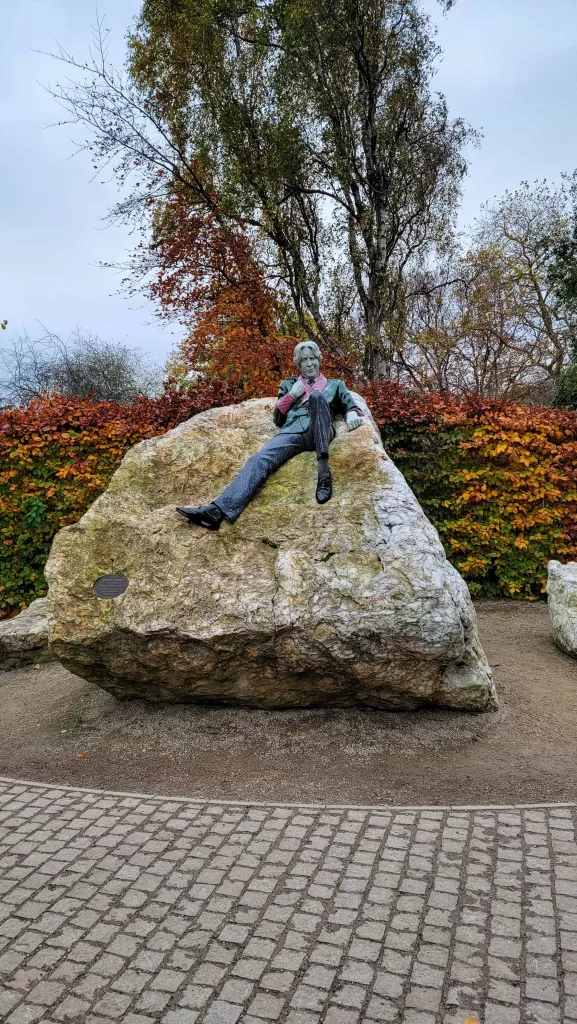
This part of the city feels quieter and more local compared to Temple Bar, which makes it a nice contrast to your first day.
Pro tip: Stop by Beanhive Coffee for a cup of coffee with latte art. Look how cute my design was!

Evening: forge your own silver ring
This is easily one of the most unique experiences you can have in Dublin.
How the ring forging workshop works
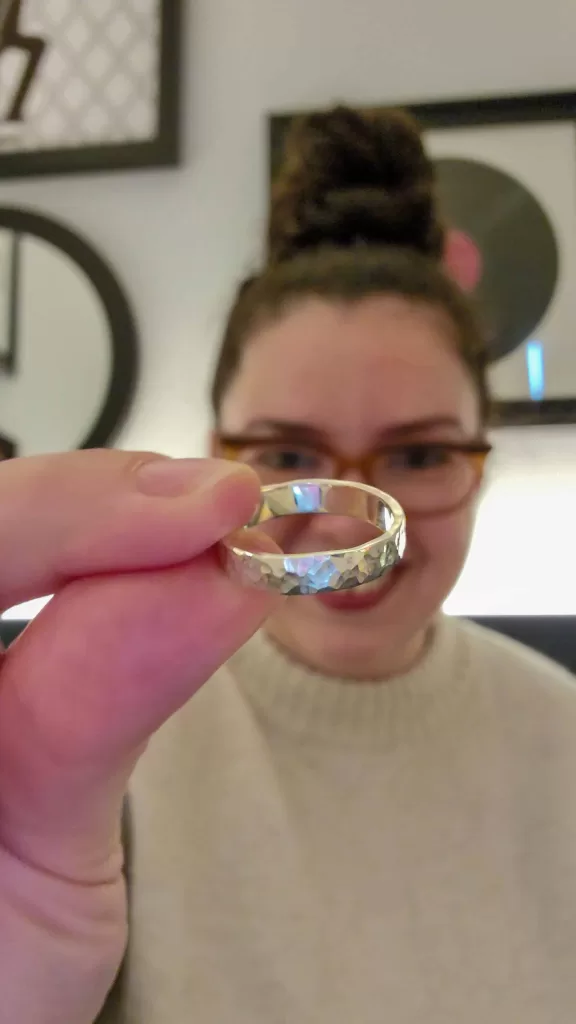
They teach the workshop in a jewelry store. It has a very cozy, informal and friendly vibe as you’ll be part of a small group (mine had only 3 other people).
You will first meet your group in the jewelry store. While you wait for everyone to gather you can take a look at the amazing pieces of jewelry they make, and you can get a 10% discount if you want to buy something.
Once everyone arrives you will head towards the jewelry workshop. If there are more than 3-4 people, they will split you into 2 groups.
One group stays at the workshop in the basement of the jewelry store. The other group will go a few doors down to a workshop in the back of an ice cream place.
Then you take your seats, and the teacher starts explaining what you will do that day. The teachers are usually young jewelers in training, which I think is super cool.
You never know what famous jeweler they will become, and you can say you took a workshop with them before they got famous.
My teacher was great. She was super friendly and patient with all of us. While we were working on our rings we were also chatting with the other participants.
In my group there was a couple from the Los Angeles area and a local girl from Dublin. It was great to connect with other people.
During the workshop you won’t have to do the welding and acid dipping of the rings yourself. The teacher does it for everyone, so there’s zero risk of accidents.
You’ll be able to make an awesome ring even though you’re not very talented at crafts (like me). It’s one of my favorite souvenirs from Dublin.
Dinner: keep it simple and local
After the workshop, go for a relaxed dinner nearby.
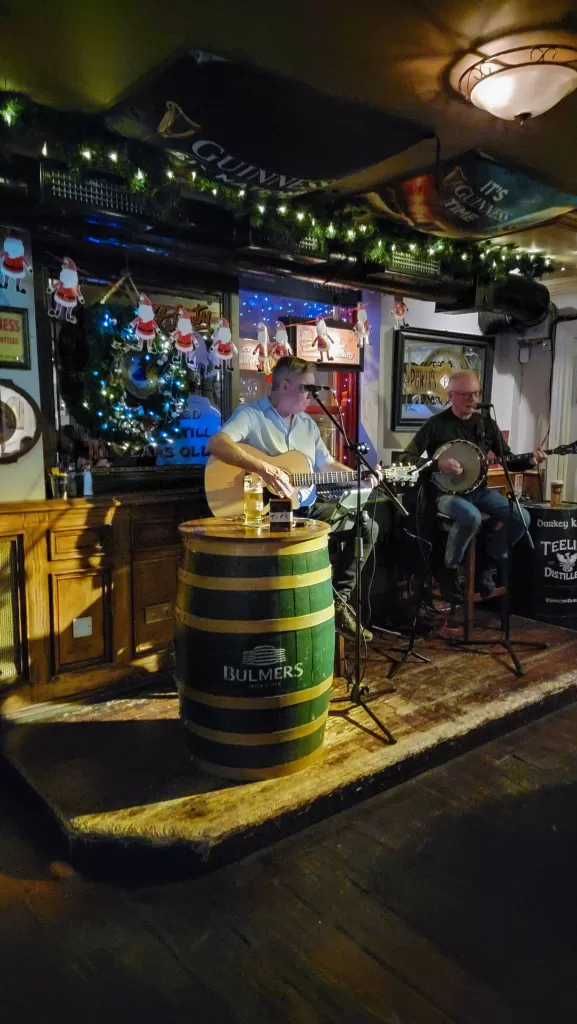
At this point, you’ve already done a lot during your trip, so there’s no need to overplan. A cozy pub or casual restaurant is the perfect way to end the day.
Day 4: Take a day trip from Dublin
One of the best things about Dublin is how many incredible places you can visit just outside the city.
From dramatic cliffs to mountains and even Northern Ireland, there are plenty of unforgettable day trips you can take.
Since you only have one day, the key is to choose the experience that fits your travel style best.
Cliffs, coastline, and Irish landscapes (most popular)
This is the most popular day trip from Dublin, and for good reason.
You’ll visit the iconic Cliffs of Moher, one of Ireland’s most famous natural landmarks, along with the unique Burren landscape and the charming city of Galway.
If it’s your first time in Ireland and you want to see dramatic scenery, this is the best choice.
Mountains, lakes, and peaceful nature
If you prefer something closer to Dublin, this is a great alternative.
You’ll explore the Wicklow Mountains, visit the monastic site of Glendalough, and stop in Kilkenny, a medieval town with a beautiful castle.
This trip feels more relaxed and less crowded compared to the Cliffs of Moher.
Northern Ireland highlights (bucket list experience)
This is a longer day, but it’s packed with incredible sights.
You’ll visit the Giant’s Causeway, a UNESCO World Heritage Site known for its unique rock formations, as well as Belfast and scenic stops like the Dark Hedges.
If you want to see as much as possible in one day, this is an amazing option.
For Game of Thrones fans
If you’re a fan of the series, this experience is a must.
You’ll visit the official studio where the show was filmed and see original sets, costumes, and behind-the-scenes details.
Even if you’re not a superfan, it’s still a very well-done and immersive experience.
How to choose the right day trip
- First time in Ireland → Cliffs of Moher
- Prefer something closer and more relaxed → Wicklow Mountains
- Want to see Northern Ireland highlights → Giant’s Causeway
- Love Game of Thrones → Studio tour
No matter which one you choose, I highly recommend booking in advance, especially during peak season.
FAQ: 4 day Dublin itinerary
Is 4 days enough for Dublin?
Yes, 4 days in Dublin is the perfect amount of time to explore the city and take one day trip. You’ll be able to see all the main attractions like Trinity College, Dublin Castle, and the Guinness Storehouse, while also experiencing local culture and food.
If you want to explore more of Ireland beyond Dublin, you may want to extend your trip to 7–10 days.
What is the best area to stay in Dublin?
The best area to stay in Dublin is the city center, especially around Temple Bar, Trinity College, or along the River Liffey.
These areas are within walking distance of most attractions, which makes your trip much easier and more enjoyable.
👉 Check out my full guide on where to stay in Dublin for the best areas and hotels.
If you’re visiting in December check out my guide on the best hotels near Dublin Christmas markets.
And if you’re visiting with family or friends, check out my guide on the best Dublin hotels with connecting rooms.
Is Dublin walkable?
Yes, Dublin is one of the most walkable capital cities in Europe.
Most major attractions are located close to each other in the city center, so you can explore a lot on foot. For longer distances, you can use buses or the Luas tram system.
Do I need to book attractions in advance?
Yes, I highly recommend booking your main attractions and tours in advance.
Popular experiences like the Guinness Storehouse, Book of Kells, and day trips from Dublin can sell out, especially during peak season.
Booking ahead also helps you plan your itinerary more efficiently.
What are the best day trips from Dublin?
Some of the best day trips from Dublin include:
- Cliffs of Moher, Burren & Galway
- Wicklow Mountains, Glendalough & Kilkenny
- Giant’s Causeway & Belfast
- Game of Thrones Studio tour
Each offers a different experience, from dramatic coastal views to mountains and cultural sites.
Is Dublin expensive?
Yes, Dublin is considered one of the more expensive cities in Europe.
Hotels, restaurants, and activities can add up quickly, especially in the city center. However, you can still manage costs by booking in advance, choosing mid-range accommodations, and mixing paid attractions with free activities.
What is the best time to visit Dublin?
The best time to visit Dublin is in spring (April–June) and early fall (September–October).
During these months, the weather is mild and there are fewer tourists compared to summer. Winter can also be a great time to visit if you want a festive atmosphere and fewer crowds.
Is Dublin safe for solo travelers?
Yes, Dublin is generally safe for solo travelers, including solo female travelers.
Like in any major city, it’s important to stay aware of your surroundings, especially at night and in crowded areas. Overall, I felt safe during my visit and found locals to be helpful.
Do I need cash in Dublin?
Not really. Dublin is very card-friendly, and you can pay almost everywhere with a credit or debit card.
However, it’s still a good idea to carry a small amount of cash for tips or small purchases.
How do I get from Dublin Airport to the city center?
The easiest way is by bus. The Dublin Express and Aircoach buses connect the airport to the city center in about 30 minutes.
Taxis and Uber are also available and cost more but are convenient if you have luggage.
✈️ Heading to Dublin soon? Check out these guides:
Planning your next trip? Check out these helpful resources:

Ioana is a Romanian-born solo traveler and full-time travel blogger who has explored 30+ countries since starting her solo adventures at age 31. She shares practical, experience-based travel tips, detailed itineraries, and insider recommendations to help you plan your trips with confidence and experience destinations like a local. Her blog gets 100K+ monthly readers and her Instagram community has 80K+ people. Her work has been featured in BBC, The Daily Express, Euronews, Bored Panda, Yahoo, MSN and more. Learn more about her here.