
Last Updated on October 29, 2026 by Ioana
Some bucket-list adventures can seem difficult to organize when you’re traveling alone, especially when they involve remote islands, wildlife expeditions, or unfamiliar hiking trails. However, many of these experiences are surprisingly accessible to solo travelers, with small-group tours, guided excursions, and self-guided routes making it possible to explore extraordinary places without needing a travel companion.
The key is choosing the right travel arrangements and knowing when to go. Joining a group departure, booking a solo-friendly cruise, or following an established hiking trail can make planning easier while still giving you the freedom to enjoy the experience on your own terms. These five destinations show how solo travelers can explore remarkable landscapes, encounter wildlife, and discover cultural landmarks with the right preparation. This post contains affiliate links. When you make a purchase I may get a small commission at no extra cost to you. Find out more here.
Planning your next trip? Check out these helpful resources:
Exploring Rich Coral Reefs in Raja Ampat, Indonesia
Raja Ampat, in Indonesia’s Southwest Papua province, is home to some of the world’s richest coral reef ecosystems, with more than 1,500 recorded fish species and hundreds of coral species.
For solo travelers, a liveaboard expedition is one of the most practical ways to explore this remote archipelago.
These trips typically depart from Sorong and include accommodations, meals, boat transfers, and guided diving or snorkeling excursions.
October through April generally brings calmer seas and favorable conditions for exploring the islands.
If you’re thinking of sailing on a Raja Ampat yacht charter, consider joining a scheduled small-group departure so you won’t have to organize a private boat yourself.
Some operators also provide shared cabins or waive single supplements on selected departures, although arrangements vary.
This gives solo travelers the opportunity to meet fellow guests while exploring the reefs with experienced local guides.
Highlights include Manta Sandy, where reef manta rays visit cleaning stations, and Cape Kri, known for its remarkable variety of reef fish, sharks, and barracuda.
Some itineraries also include Wayag, where a guided climb up limestone viewpoints reveals turquoise lagoons surrounded by steep, forested islands.
Diving experience requirements vary, particularly at sites with strong currents, so check certification levels and available snorkeling activities before booking.
Walking Ancient Forest Trails on the Kumano Kodo, Japan
Japan’s Kumano Kodo is a network of UNESCO-listed pilgrimage routes winding through the forested mountains of the Kii Peninsula.
These ancient trails have connected sacred sites for more than a thousand years, passing towering cedar trees, moss-covered stone paths, and small shrines tucked into the mountainsides.
The Nakahechi route is particularly suitable for solo travelers, with English-language trail markers, detailed maps, and public buses connecting several trailheads and villages.
April and May offer pleasant hiking temperatures, while October and November bring colorful autumn foliage.
Independent hikers can follow a self-guided itinerary, staying overnight in traditional minshuku guesthouses and small inns along the route.
Many provide home-cooked Japanese meals, and some accommodations are located near hot springs. Luggage transfer services are available between participating properties, allowing walkers to carry just a daypack.
Popular sections include the forest trail leading to Kumano Hongu Taisha and the stone steps of Daimon-zaka, which lead toward Kumano Nachi Taisha and the impressive Nachi Falls.
Although the Nakahechi is well established, some sections involve steep climbs, uneven surfaces, and limited mobile reception.
Solo hikers should book accommodations ahead, download offline maps, and check trail conditions before setting out.
For those who prefer company, guided small-group walking tours provide another way to experience the pilgrimage while meeting fellow travelers.
Watching Wildebeest River Crossings in the Maasai Mara, Kenya
Kenya’s Maasai Mara is one of Africa’s most celebrated wildlife destinations, particularly during the Great Migration, when enormous herds of wildebeest and zebras move between Tanzania’s Serengeti and the Mara’s grasslands.
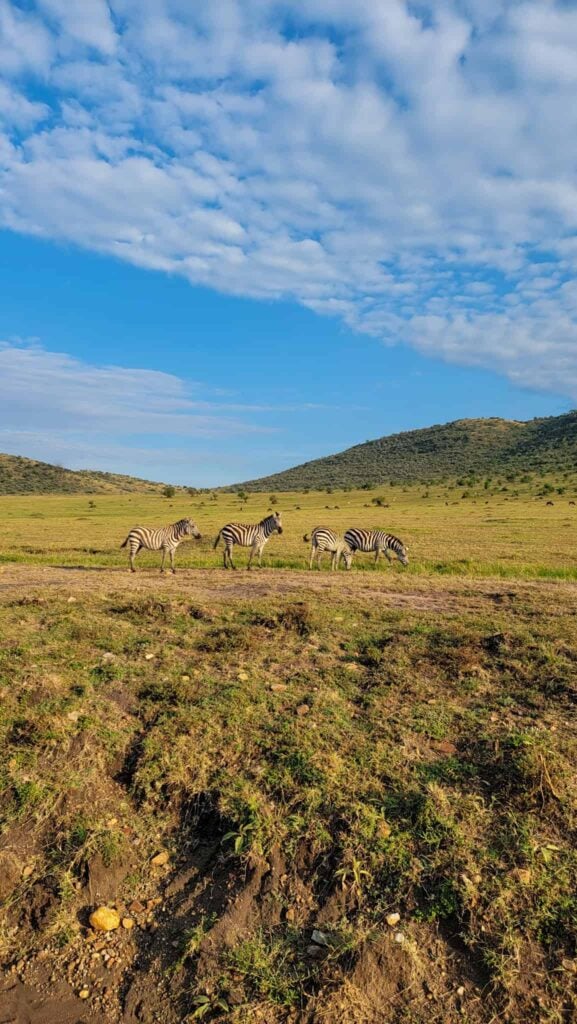
Between July and October, the animals may gather along the Mara River before attempting to cross its crocodile-filled waters.
These crossings can be dramatic, although their timing is unpredictable and sightings are never guaranteed. The reserve is also home to lions, leopards, cheetahs, elephants, and other wildlife throughout the year.
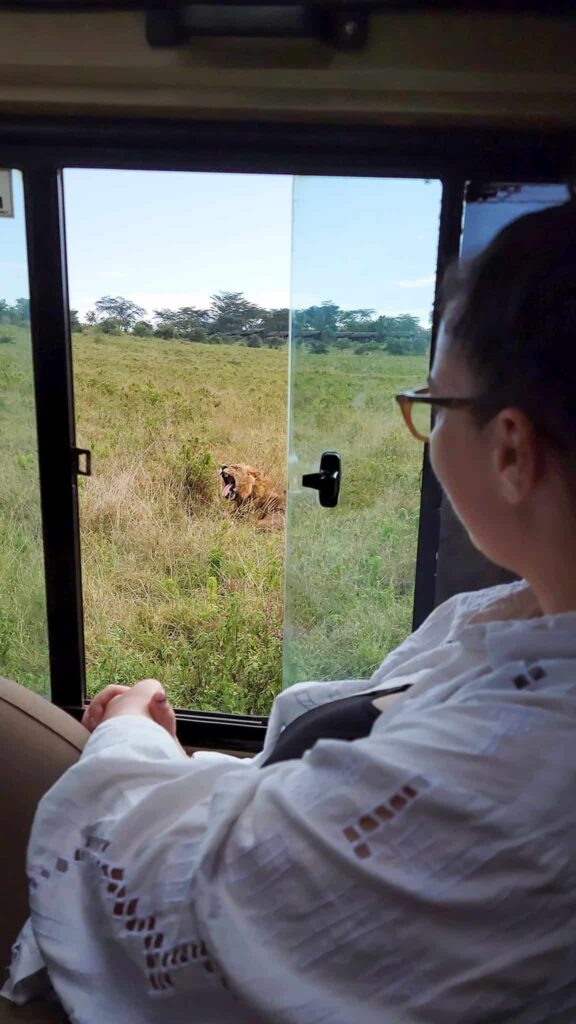
Solo travelers can experience the migration by joining a small-group safari with shared game drives, usually arranged through a tour operator or safari camp.
Many itineraries include transportation from Nairobi, accommodations, meals, and guided wildlife excursions, making the logistics easier to manage independently.
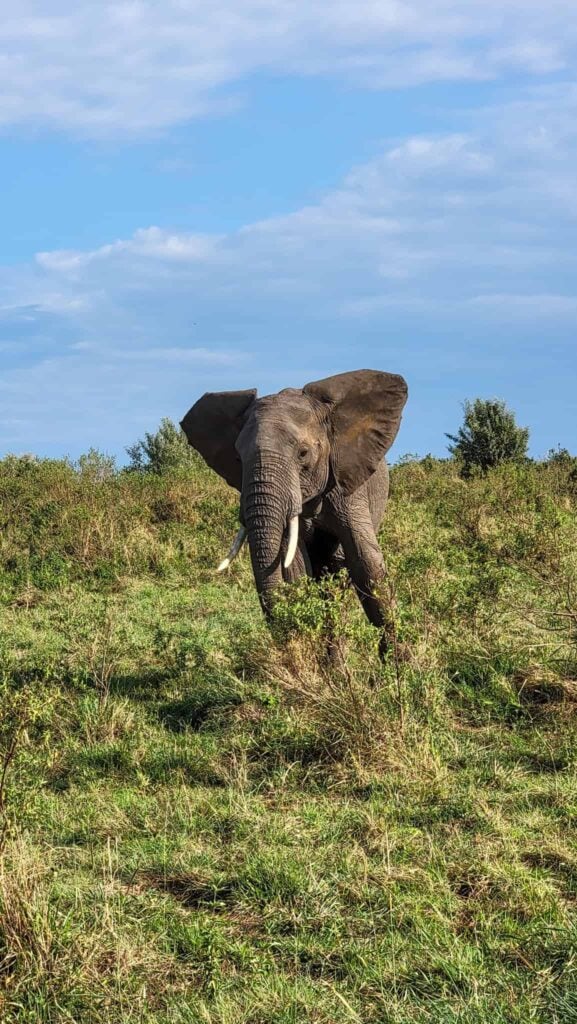
Some camps offer single-occupancy tents or reduced single supplements on selected departures, although these arrangements should be confirmed before booking.
Shared safari vehicles also provide opportunities to meet other travelers while keeping the cost below that of a private safari.
Experienced local guides help locate wildlife and choose appropriate viewing positions while following reserve regulations.
Early morning and late afternoon drives are particularly rewarding for spotting predators, and staying several nights improves your chances of witnessing a river crossing.
August and September are popular months for migration viewing, so book accommodations well ahead.
Even if the herds don’t cross during your visit, the Mara’s resident wildlife makes a guided safari an exciting option for travelers exploring Africa on their own.
Chasing Northern Lights Above the Arctic Circle in Tromsø, Norway
Located above the Arctic Circle in northern Norway, Tromsø is a popular destination for watching the northern lights.
September through March offers long, dark nights and opportunities to witness the colorful aurora dancing across the Arctic sky.
For solo travelers, the city makes a convenient base, with plenty of guided excursions departing from the center.
Small-group northern lights tours are particularly appealing, taking visitors into the surrounding fjords or toward the Finnish border in search of clearer skies.
Many excursions use minibuses and include experienced guides who monitor weather conditions and help guests photograph the aurora.
During the day, solo visitors can join dog sledding adventures, snowshoeing excursions, or Sami cultural experiences involving reindeer.
Another option is a Norwegian coastal cruise, with Hurtigruten offering reduced single supplements on selected sailings and a limited number of dedicated single cabins.
Winter conditions can be unpredictable, so plan to spend at least three nights in Tromsø to improve your chances of seeing the lights.
Guided tours often provide insulated suits, although you’ll still need warm layers and suitable footwear.
With organized activities and a compact city center, Tromsø offers plenty of opportunities to explore independently while meeting other travelers along the way.
Stargazing From a Bedouin Camp in Wadi Rum, Jordan
Wadi Rum’s vast desert landscape is known for its towering sandstone mountains, red dunes, and striking rock formations.
Its remote location in southern Jordan also makes it an excellent destination for stargazing, with limited artificial lighting away from the main settlements.
March to May and September to November generally offer comfortable temperatures for exploring during the day and enjoying the night sky after sunset.
Clear, moonless evenings provide the best conditions for spotting stars and the Milky Way.
Solo travelers can arrange a desert excursion through a Bedouin-run camp, with transfers available from nearby destinations such as Aqaba and Petra.
Many camps offer private tents alongside shared meals and guided activities, making it easy to experience the desert without traveling with a companion.
A typical evening includes a traditional zarb dinner, with meat and vegetables slow-cooked in an underground oven, followed by conversation around a campfire beneath the stars.
During the day, guided four-wheel-drive tours take visitors to the Um Fruth Rock Bridge and Lawrence’s Spring, with opportunities to see ancient rock inscriptions scattered across the desert.
Some camps also arrange guided walks or astronomy sessions for guests interested in learning more about the night sky.
Book a camp that includes transportation and activities, and bring warm clothing for the evening, especially between November and March.
Which solo trip would you take first?
Some of the world’s most extraordinary travel experiences are entirely possible for solo adventurers. Joining small-group excursions, choosing solo-friendly cruise arrangements, or following established hiking routes can make exploring remote destinations easier even without a companion.
With the right preparation and a little flexibility, traveling alone doesn’t have to limit where you can go or what you can experience.
Whether you’re diving among Raja Ampat’s coral reefs, hiking Japan’s ancient pilgrimage trails, watching wildlife in Kenya, or enjoying the night skies of Norway and Jordan, there’s no shortage of adventures to pursue on your own.
The key is to choose an experience that suits your interests, plan around the best season, and find travel arrangements that work for you. Your next bucket-list journey might be closer to reality than you think.
Ioana is a Romanian-born solo traveler and full-time travel blogger who has explored 30+ countries since starting her solo adventures at age 31. She shares practical, experience-based travel tips, detailed itineraries, and insider recommendations to help you plan your trips with confidence and experience destinations like a local. Her blog gets 100K+ monthly readers and her Instagram community has 80K+ people. Her work has been featured in BBC, The Daily Express, Euronews, Bored Panda, Yahoo, MSN and more. Learn more about her here.