
Last Updated on August 6, 2026 by Ioana
So many people ask me: can I visit Romania without a car? Well, I’ll be honest with you.
If you’re coming to Romania expecting Switzerland or Japan when it comes to public transportation, you’re going to be disappointed.
As someone who was born and raised in Romania, lived abroad for 14 years, and recently moved back, I can confidently say that getting around the country without a car is absolutely possible. You just need to know when public transportation works well and when it’s worth choosing another option.
For some routes, the train is a fantastic choice. For others, I’d avoid it completely. Sometimes FlixBus is the better option, and for castles or rural villages, organized day trips will save you a lot of stress.
This guide covers the best ways to travel between Romania’s main cities, when to use trains, buses, rental cars, or guided tours, and the mistakes I’d avoid if I were visiting for the first time. This post contains affiliate links. When you make a purchase I may get a small commission at no extra cost to you. Find out more here.
✈️ Planning your Romania trip?
If you want to keep things simple, these are the best things to book in advance:
🐻 Top experiences in Romania
- 👉 Palace of Parliament guided tour (Bucharest’s top landmark)
- 👉 Therme Bucharest spa experience with transfer
- 👉 Brown bear watching tour (once-in-a-lifetime experience)
🏔️ Best day trips from Bucharest
- 👉 Transylvania castles day trip (Peleș Castle, Bran Castle, Brașov)
- 👉 Transfăgărășan Highway day trip (Top Gear road experience)
- 👉 Day trip to Bulgaria from Bucharest
- 👉 Slănic Salt Mine day trip (one of the largest in Europe)
- 👉 Constanta and Black Sea day trip
- 👉 Danube Delta (UNESCO site and wild nature)
🏨 Where to stay in Romania
Is Romania easy to travel around without a car?
Yes, especially if you’re sticking to Romania’s biggest cities like Bucharest, Brașov, Sibiu, Sighișoara, Cluj-Napoca, and Oradea.
All of these cities are connected by Romania’s rail system or long-distance buses. Then once you’re in the city center, you can usually explore on foot or use local public transportation.
Where things become more complicated is if you want to visit rural areas, tiny villages, or some of the more remote attractions in the Carpathian Mountains.
Public transport does exist in many places, but services are often infrequent, schedules can be confusing if you don’t speak Romanian, and connections aren’t always reliable.
If your itinerary focuses on Romania’s historic cities, you’ll be absolutely fine without renting a car.
If you’re planning to explore hidden villages or spend several days driving through the mountains, a car rental starts making a lot more sense.
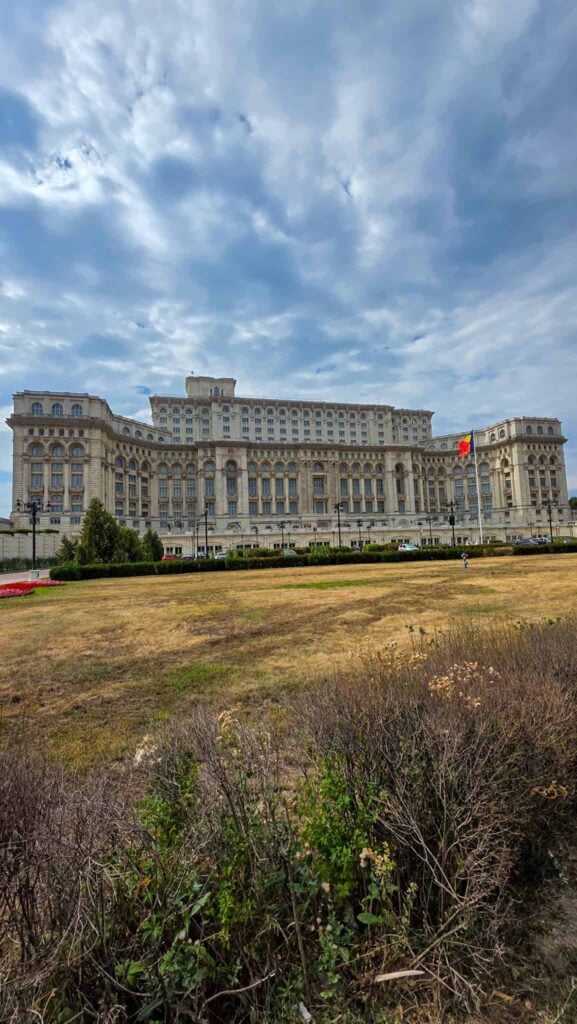
My honest opinion about trains in Romania
This is probably not what you’ll read on most travel blogs, but I’d rather tell you the truth about Romanian trains.
Romania’s train network, operated mainly by CFR Călători (Căile Ferate Române), covers most of the country, but the infrastructure is old.
Really old.
The tracks haven’t been modernized in many areas, which means trains simply can’t travel at high speeds.
To put things into perspective, traveling from my hometown of Oradea to Bucharest takes over 12 hours by train. That’s for a journey across one country.
The good news is that modernization is finally happening. The railway between Oradea and Cluj is currently being upgraded, but like many large infrastructure projects in Romania, it’s taking years to complete.
It’s one of those things Romanians joke about all the time. Nearly 40 years after the end of communism, we still don’t have a complete highway crossing the country, so unfortunately, patience comes with the territory.
Delays are also very common.
If your train arrives on time, consider yourself lucky.
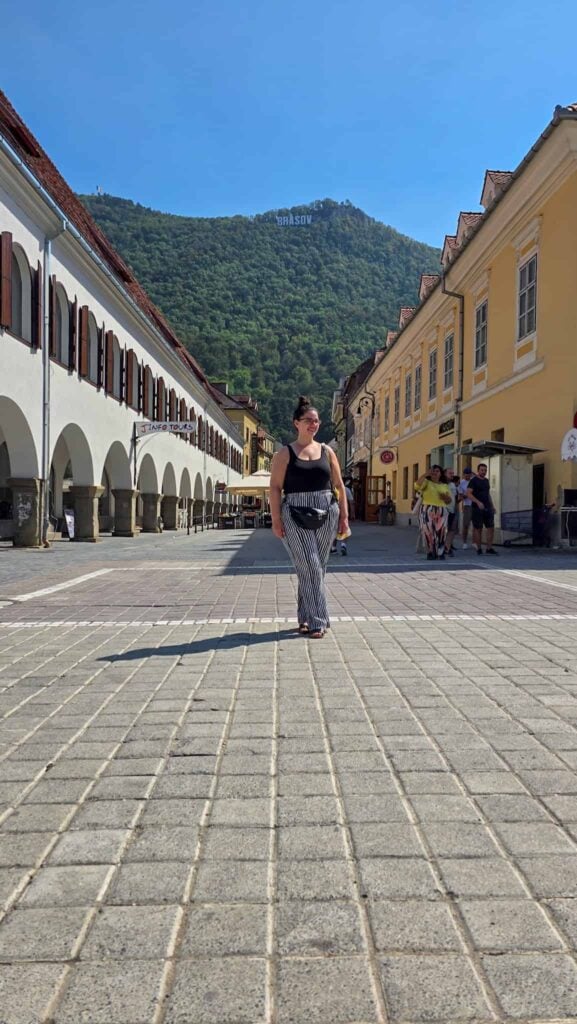
The one train route I actually recommend in Romania
There is one exception.
The InterRegio trains between Bucharest and Brașov are excellent.
They’re modern, comfortable, clean, air-conditioned, and honestly feel comparable to trains I’ve taken in Western Europe.
This is actually the train I’ll be taking in a few weeks when my Greek friend comes to visit Romania because it’s by far the easiest and most comfortable way to reach Brașov from the capital city.
If your itinerary includes Bucharest and Brașov, I’d absolutely recommend taking this direct train service.
For most other long journeys, I’d look at alternatives first.
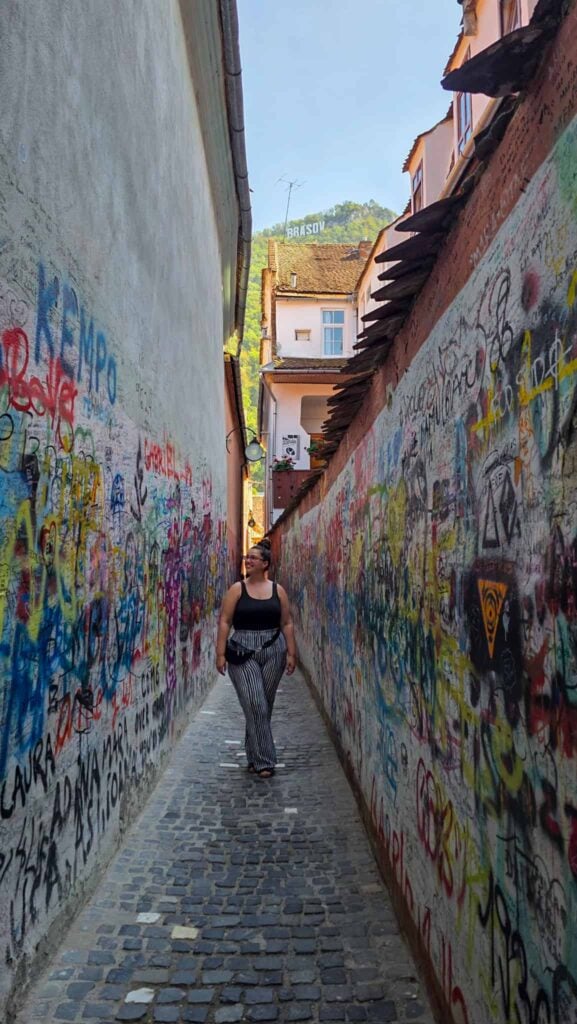
FlixBus became my favorite way to travel around Romania
If you’ve traveled around Europe before, you’ve probably already used FlixBus.
I love it.
I’ve used it from Oradea to Budapest, from Bratislava back to Oradea, and I’ll also be taking it from Sighișoara back to Oradea with my Greek friend.
Every experience I’ve had has been punctual, comfortable, and far less stressful than many train journeys.
For longer distances between Romanian cities, especially routes like:
- Brașov to Sighișoara
- Sighișoara to Oradea
- Cluj to Oradea
- Bucharest to Brașov (when train tickets sell out)
I’d always check FlixBus before booking a train.
The coaches are modern, ticket prices are usually reasonable, luggage is included, and booking through their mobile app couldn’t be easier.
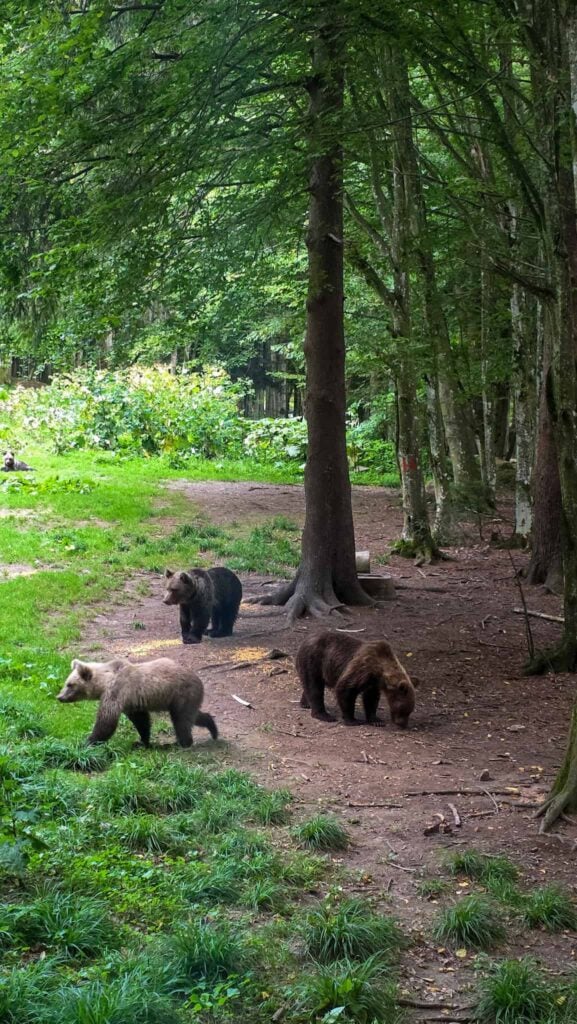
Getting to Bran Castle without a car
Bran Castle is one of Romania’s biggest attractions, and thankfully it’s very easy to visit from Brașov.
The cheapest option is to take one of the regular buses that leave from Terminal 2 (Autogara Bartolomeu) in Brașov.
The journey takes around 40 minutes, buses run frequently throughout the day, and you’ll be dropped just a short walk from the castle entrance.
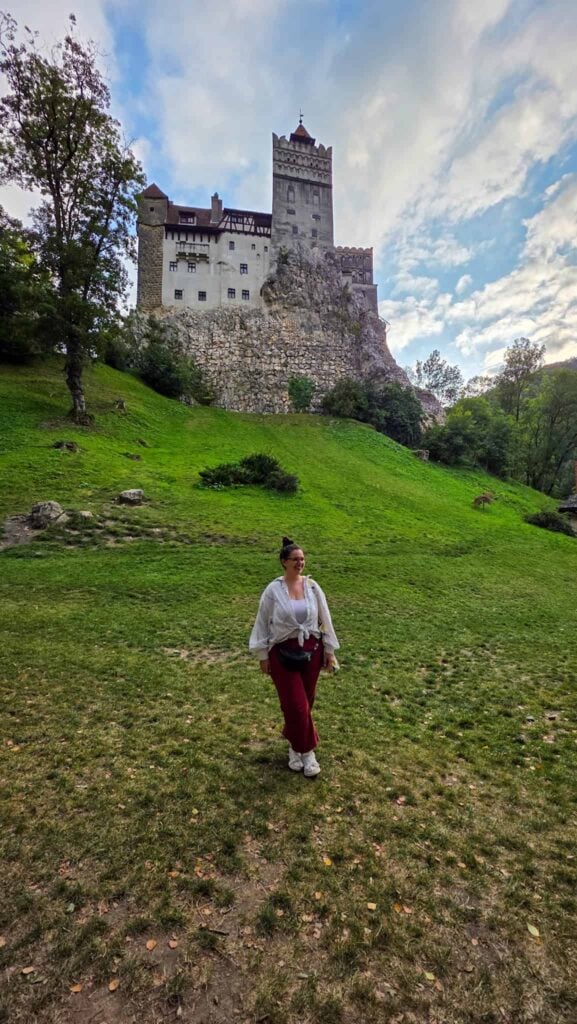
The only downside is that everything, from the ticket counters to the information boards, is primarily in Romanian.
If it’s your first visit and you don’t want to worry about finding the correct bus lines or return schedules, I’d honestly recommend joining a guided tour instead.
That’s exactly what I’m planning to do with my Greek friend. It’s simply easier to let someone else handle the logistics while you enjoy the day.
Visiting Peleș Castle using public transportation
Peleș Castle is also surprisingly easy to reach.
Take a direct train from Bucharest Gara de Nord or Brașov to Sinaia Railway Station. From there, you have two options.
You can either take a taxi or enjoy a scenic uphill walk of around 30 minutes through the beautiful streets of Sinaia.
The walk is lovely if the weather is nice, but it is uphill, so if you’re carrying luggage or visiting during the summer months, a taxi is well worth it.
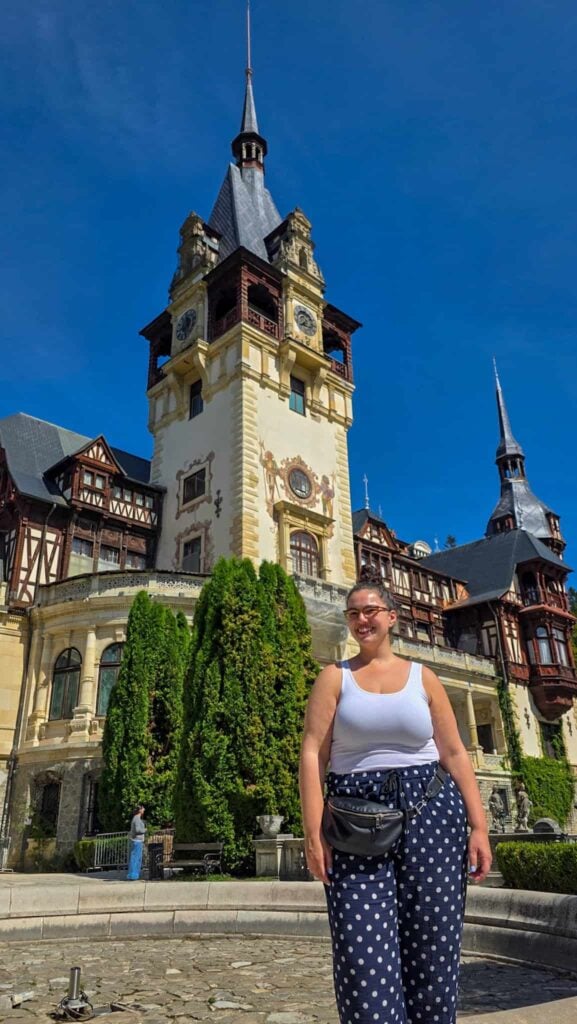
Again, if you’re combining Peleș Castle with Bran Castle in one day, I actually think an organized tour is the best option.
You’ll avoid coordinating train timetables, taxis, and local buses, and you’ll fit much more into your day.
What about Viscri and other rural villages?
This is where having a car really starts to make a difference.
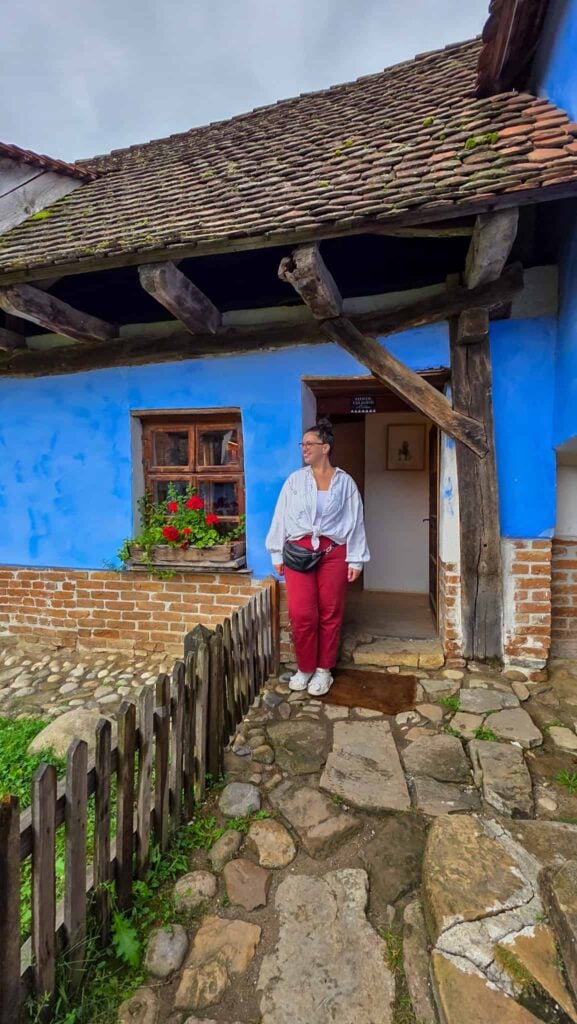
Viscri, famous for its beautifully preserved Saxon village and King Charles III’s house, has extremely limited public transportation.
There are occasional minibuses from nearby towns, but they’re infrequent and not designed with tourists in mind.
If visiting Viscri is high on your Romania bucket list, I’d either:
- rent a car for a day or two
- join a guided day tour from Brașov or Sighișoara
The same advice applies to many of Romania’s smaller towns and rural areas across Transylvania.
Should you rent a car in Romania?
It depends on your itinerary.
If you’re visiting:
- Bucharest
- Brașov
- Sibiu
- Sighișoara
- Cluj-Napoca
- Oradea
I honestly don’t think you need one.
Between trains, FlixBus, taxis, Uber, Bolt, and local public transportation, you’ll get around just fine.
If you’re planning to explore the countryside, drive the Transfăgărășan Highway, visit remote villages, or stop at places that aren’t connected by the rail network, then renting a car becomes the best option.
Just keep in mind that Romanian roads outside the highways can be slower than you’re used to.
There are plenty of local roads that pass through villages, traffic jams are common around major cities, and overtaking requires patience.
My recommended transportation strategy for Romania
If I were planning a first trip to Romania today, this is exactly what I’d do:
- Fly into Bucharest International Airport.
- Spend a few days exploring Bucharest.
- Take the modern InterRegio train to Brașov.
- Use guided tours for Bran Castle and Peleș Castle.
- Continue to Sighișoara by FlixBus.
- Travel onward to Sibiu or Cluj depending on your itinerary.
- Rent a car only if you want to explore Romania’s countryside or hidden villages.
It’s the easiest way to see the country’s highlights without spending your vacation figuring out complicated transport connections.
Helpful guides for your Romania trip
If you’re still planning your Romania itinerary, these guides will help:
- The perfect Romania itinerary
- My Bucharest itinerary
- The perfect Brașov itinerary
- The best Sighișoara itinerary
- My complete Transylvania itinerary
- Where to stay in Bucharest
- Where to stay in Brașov
- Where to stay in Sighișoara
Together, they’ll help you build an itinerary that minimizes travel time while making the most of your time in Romania.
Planning your next trip? Check out these helpful resources:

Ioana is a Romanian-born solo traveler and full-time travel blogger who has explored 30+ countries since starting her solo adventures at age 31. She shares practical, experience-based travel tips, detailed itineraries, and insider recommendations to help you plan your trips with confidence and experience destinations like a local. Her blog gets 100K+ monthly readers and her Instagram community has 80K+ people. Her work has been featured in BBC, The Daily Express, Euronews, Bored Panda, Yahoo, MSN and more. Learn more about her here.