
Last Updated on July 24, 2026 by Ioana
Looking for the best gifts from Italy that are actually worth bringing home? I’ve traveled to Milan, Naples, Florence, Venice and the Amalfi Coast, and in this guide I’ll show you the most authentic souvenirs, from handcrafted leather and Murano glass to olive oil, balsamic, and artisanal specialties. I’ll share where to buy each item, what it costs, and how to avoid overpriced tourist traps. If you’re planning your trip, check out my Milan itinerary, my Florence most-do activities, my Naples guide or my Amalfi Coast itinerary for city-specific tips while exploring Italy. This post contains affiliate links. When you make a purchase I may get a small commission at no extra cost to you. Find out more here.
Planning your next trip? Check out these helpful resources:
Extra virgin olive oil
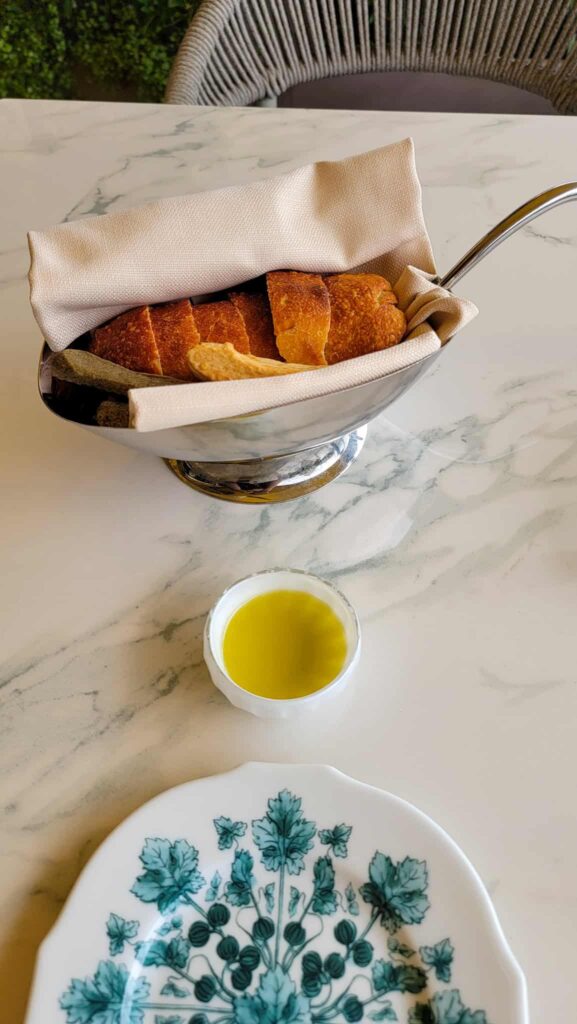
Italian olive oil is some of the best in the world, and I always pick up a bottle to bring home.
It makes a perfect gift for a family member, letting them taste the flavors of Italy from your trip. I also always buy one for myself so I can recreate the amazing dishes I enjoyed while traveling.
If you want to bring more Italian food souvenirs, consider a gift basket with olive oil, pasta, or regional specialties.
How much you can bring depends on your luggage space, but most bottles fit easily in a suitcase with careful packing.
I usually find high-quality olive oil at specialty food shops, local markets, or even some grocery stores. In my opinion, Italian food souvenirs are the most memorable gifts you can bring home.
Italian pasta
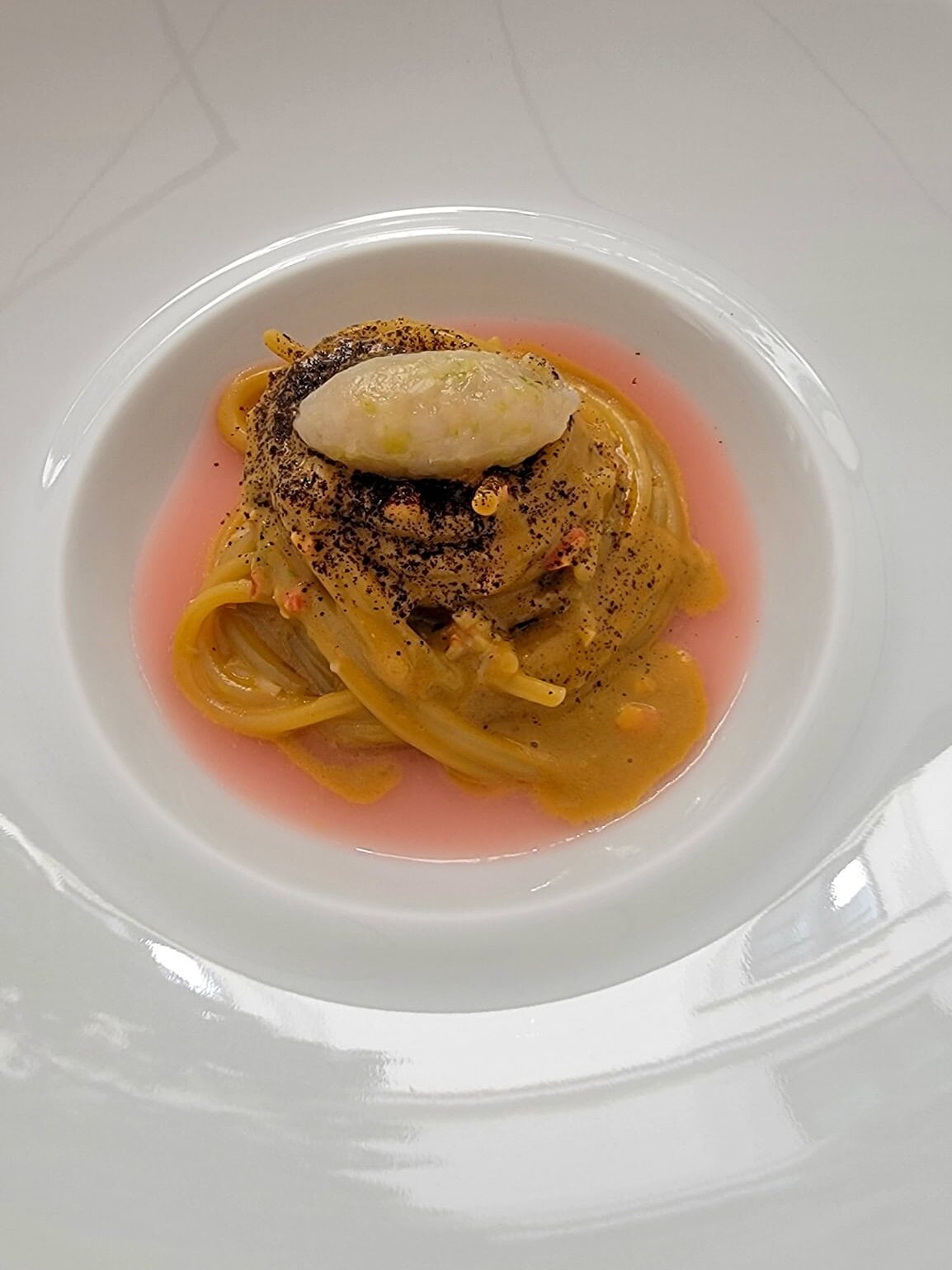
No trip to Italy is complete without eating your body weight in pasta. I always try as many shapes and sauces as I can while traveling!
To bring a taste of Italy home, I like buying a few packs of high-quality pasta. They make the perfect gift for family and friends who love cooking.
I also share new pasta recipes I learned on my trip. It’s a fun way to let others experience the flavors and traditions of Italy.
You can find specialty pasta in local markets, gourmet shops, or even small artisan stores in the cities you visit. Prices usually range from €3 to €8 per pack, depending on the variety and quality.
Tomato sauce
If you’re bringing home pasta, don’t forget to also pick up some real Italian tomato sauce. I go for high-quality sauces made from San Marzano or local tomatoes. That’s because the taste is incredible.
Combining top-quality tomato sauce with exceptional pasta, and maybe a wedge of Parmigiano Reggiano, makes even the pickiest eaters happy.
I love sharing these ingredients with friends and family so they can recreate authentic Italian dishes at home.
You can find excellent sauces at local markets, specialty food shops, or small grocery stores. Prices usually range from €4 to €10 per jar, depending on the brand and ingredients.
Italian wine
Gourmet food always goes best with a good bottle of wine. Exploring Italy’s local wines and tasting different varieties while traveling is such a great activity!
Italy has amazing wines at affordable prices, from crisp whites in Tuscany to bold reds in Naples. I always pick up a few bottles to bring home as souvenirs for both friends and family.
A bottle of Italian wine makes the perfect gift for anyone who enjoys a glass. And it’s a great way to share a taste of your trip with friends or family who couldn’t travel with you.
You can find wine at local enotecas, markets, or even grocery stores. Prices usually range from €8 to €20 per bottle, depending on the region and producer.
Limoncello and Italian liqueurs
If you visit the Amalfi Coast or Naples, don’t miss tasting and buying limoncello. Besides classic lemon, you can also find pistachio and melon flavors, which make for fun and unique souvenirs.
I usually go for the more pastel-colored bottles rather than the bright neon ones, which tend to be less authentic. You can get 100ml bottles so you can put them in your carry-on. Or you can go for larger bottles if you plan on checking bags.
These liqueurs are sold in almost every town along the Amalfi Coast, from Positano to Sorrento. You’ll notice small artisan shops alongside larger stores, and I recommend checking both to find the best quality.
Prices typically start around €10 per bottle, depending on size and flavor. When possible, I buy from shops that produce the liqueur on-site, so you’re supporting local artisans and getting a truly authentic product.
For example, during my day trip to Vesuvius and Pompeii from Naples we stopped at a local limoncello producers. There we did a tasting and we bought authentic products.
It was epic! I highly recommend this day trip if you’re in Naples.
Amalfi lemon-themed souvenirs
The Amalfi Coast isn’t just about stunning views. It’s also famous for its lemons. And who doesn’t love picking up souvenirs inspired by these vibrant fruits? They are the cutest!
You can find lemon-decorated clothes, tote bags, ceramics, and kitchenware in artisan shops in all towns on the Amalfi Coast. Each piece reflects the region’s unique style and craftsmanship.
For travelers planning their trip, many shops are just steps from the main streets, making it easy to combine sightseeing and shopping.
Make sure to check out my Amalfi Coast itinerary for tips on exploring the region.
These souvenirs make perfect gifts or keepsakes, and they’re lightweight enough to pack in a suitcase.
Prices vary depending on the item: tote bags start around €15, ceramics €20–€60, and clothing items €25–€80, depending on quality and design.
Italian chocolate
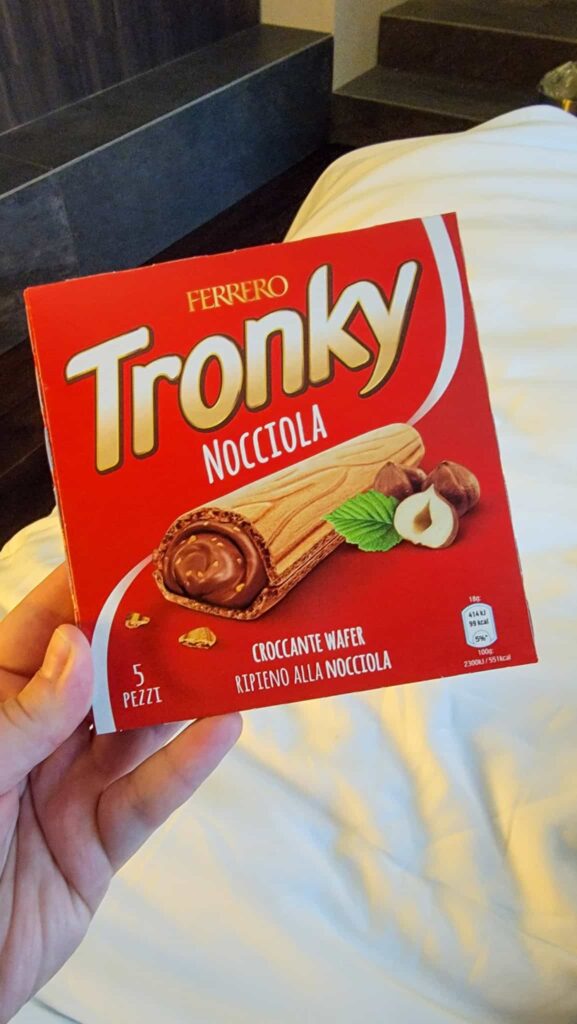
I had to start this list with food because I think you can learn so much about a country’s culture through its flavors. Sharing local delicacies with friends and family is one of the best ways to bring a piece of Italy home.
Besides pasta, wine, and cheese, Italians are famous for their sweet treats. I always make sure to pick up high-quality chocolate, like Venchi, Perugina, or Ferrero, to gift to loved ones.
These chocolates are easy to pack and make a thoughtful souvenir for anyone with a sweet tooth. I usually buy them in local chocolate shops, gourmet stores, or markets.
Prices range from €5 to €15 per box, depending on size and brand.
Leather goods
Italians are some of the world’s best leather artisans. They work with high-quality leather and have generations of experience crafting bags, belts, and accessories. Just think of how many luxury brands, like Gucci and Prada, are based in Italy.
If you have the budget for luxury labels, getting a leather bag or wallet while in Italy is a treat you won’t regret. I love picking up a classic piece that I can actually use and treasure for years.
But you don’t need to splurge to get authentic leather. There are plenty of local craftsmen in Florence, Milan, and smaller towns who make amazing bags, belts, and wallets at affordable prices.
I usually browse local markets or family-run shops to find high-quality items without paying luxury brand prices.
Italian leather goods make the perfect souvenir or gift. They are practical, stylish, and showcase the country’s incredible craftsmanship.
Prices vary widely. From €30–€50 for smaller leather accessories to €200 or more for handbags, depending on the brand and maker.
Venetian masks
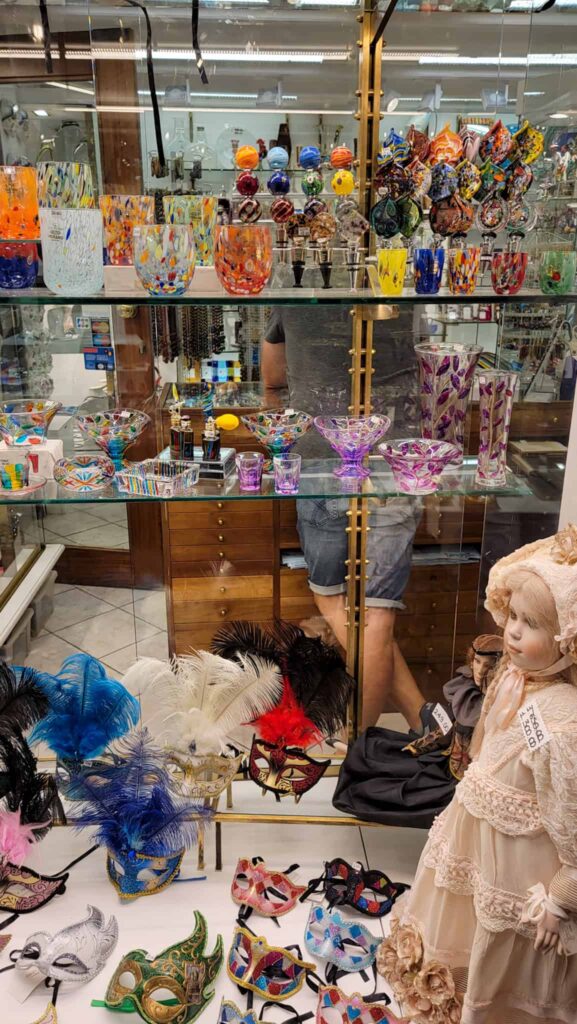
If you go to Venice, you’ll find plenty of local artisans selling handmade masks in souvenir shops. They are all beautiful, with intricate designs, and make the perfect Italian souvenir.
Why masks? Because every year, Venice hosts the Carnival of Venice, where people wear elaborate costumes and masks.
The modern-day carnival started in 1979, but its origins date back to the Middle Ages. I’ve visited Venice before, but I would love to return during carnival to see it in full swing.
Buying a mask supports local artists and gives you a unique, one-of-a-kind gift. I love picking one that reflects the craftsmanship of Venice. It’s a souvenir you’ll treasure and a story you can share with friends.
You can find masks in shops around Piazza San Marco and in artisan workshops throughout Venice.
Prices range from €15 for small decorative masks to €100 or more for large, fully hand-painted versions.
Murano glass
Murano is a small island near Venice, famous for producing Murano glass. The glass is known for its vibrant colors, intricate designs, and beautiful patterns.
Artisans achieve these effects by adding minerals during production, which makes each piece unique.
The island’s local artisans sell a wide range of Murano glass souvenirs, from pendants and earrings to vases, figurines, and decorative items.
I love picking pieces that are small and easy to pack, like a pendant or ornament, which make perfect gifts for friends or family.
One of my friends gave me a Murano glass necklace, and it’s still one of my favorite souvenirs I’ve ever received. It’s a keepsake that reminds me of Venice every time I wear it.
You can find authentic Murano glass in shops on Murano itself or in trusted stores in Venice.
Prices vary a lot. Small pendants start around €15–€25, while larger vases or sculptures can cost €100 or more, depending on craftsmanship.
Burano lace
Burano is a small island in the Venetian Lagoon, famous for its colorful houses and delicate lace. The island became a top producer of needle lace in the 1600s. At the time, this lace was a status symbol for European nobility.
Originally, lace production started in Venice, but high demand led artisans to move their workshops to Burano, where costs were lower. The tradition continues today, with local artisans creating intricate lace pieces by hand.
If you want to make someone feel like a European queen or king, Burano lace is the perfect gift. I love picking up small lace items, like handkerchiefs, bookmarks, or table runners, which are easy to pack and truly special.
You can buy authentic Burano lace directly from artisan shops on the island or from trusted stores in Venice.
Prices vary depending on size and complexity, from around €20 for smaller items to €200 or more for larger pieces.
Italian ceramics
Italy produces some of the most beautiful ceramics in the world. One of the top spots for authentic Italian pottery is Deruta, a medieval town famous for its hand-painted ceramics.
Deruta is about a 1.5-hour drive from Rome and close to Tuscany, making it a perfect destination for a day trip. I love visiting the workshops and watching artisans paint each piece by hand.
You can find everything from colorful plates and bowls to decorative tiles and vases. These make excellent souvenirs or gifts, especially for someone who loves home decor.
Prices vary depending on the size and detail of the piece. Small items, like mugs or plates, usually start around €15–€25, while larger vases or sets can cost €100 or more.
I always recommend buying directly from local workshops or trusted stores to ensure authenticity and support the artisans.
Taking home a piece of Deruta ceramics is like bringing a little bit of Italian craftsmanship back with you.
Workshops and DYI gift making in Italy
Florence leather wallet workshop
In Florence, you can try a leather wallet workshop where you make your own piece with expert help.
Each session lasts about 45 minutes and includes all materials, so you can focus on learning and creating.
You start by choosing your leather and then cut, stitch, and finish your wallet with guidance.
This workshop is perfect if you want a functional souvenir you actually crafted in Italy. Also, how many can say that they made their own leather wallet? You get all the bragging right after the workshop.
Murano glass art workshop with studio visit
On Murano Island, you can join a glass art workshop that begins with a studio visit and demo. Then you make your own bead under a skilled artisan’s guidance in a real workshop.
The bright colors and intricate shapes make Murano glass a truly iconic souvenir from Venice. So this experience is ideal if you want to learn traditional glass techniques and craft something unique.
Venice paint your own venetian mask workshop
In Venice, you can attend a mask‑painting workshop where you personalize your own Venetian mask. How cool is this?
First, you choose a blank mask and then paint it with colors and patterns you like. But no need to worry if you’re not artistically inclined.
Because local artists show you techniques that make each mask look authentic and beautiful.
This is a great way to bring home a handcrafted souvenir tied to Venice’s carnival tradition.
Rome micromosaic jewelry workshop
In Rome, you can take a micromosaic jewelry workshop to learn ancient mosaic techniques firsthand.
You will work with tiny colored tesserae to create a small wearable piece like a pendant or bracelet. And of course, you will take it home.
The instructors are friendly and will explain the history of micromosaic art, which dates back to early Rome.
This experience lets you make a souvenir that is both personal and rooted in Italian art history.
Budget vs luxury Italian souvenir guide
Italy offers souvenirs for every budget, so I like to categorize my finds before shopping.
On the budget side, small items like chocolate, pasta, Murano pendants, or keychains usually cost €3–€20.
For mid-range gifts, consider ceramics, lemon-themed souvenirs, or scarves, which range €25–€80 depending on size and quality.
Luxury souvenirs include handmade leather bags, designer shoes, or large Murano glass pieces. These often cost €200 or more.
The good news is that you can find something that is thoughtful and high-quality no matter your budget. And at the end of the day, the intention matters more than the gift itself, right? At least that’s my opinion.
Packing & transport tips for Italian souvenirs
Some Italian souvenirs, like Murano glass, ceramics, and wine bottles, are fragile, so you should plan ahead.
I usually pack smaller items in my carry-on or wrap them in bubble wrap inside checked luggage.
For liquids like olive oil or limoncello, I recommend sealing the bottles in ziplock bags to avoid leaks. I also like to “hide” everything that’s fragile in between clothes so they have an extra layer of protection.
It also helps to buy a small suitcase or travel box if you plan to bring multiple fragile souvenirs home.
By taking a few precautions, you can bring back your Italian treasures safely and stress-free.
FAQs about gifts from Italy
1. What are the most popular souvenirs from Italy?
In my experience, the top souvenirs include artisanal leather goods, Murano glass, Burano lace, Deruta ceramics, pasta, olive oil, Italian wine, and high-quality chocolate. These items reflect Italy’s craftsmanship and culture.
2. Where can I buy authentic Italian gifts?
I always shop at specialty boutiques, local markets, and family-run workshops. Cities like Milan, Florence, Venice, and Naples all have artisan stores where you can find high-quality souvenirs.
3. Are Italian souvenirs expensive?
It depends on what you choose. Small items like chocolate, pasta, or magnets usually cost €3–€15, while leather goods, Murano glass, or larger ceramics can range from €50–€200 or more. You can find quality gifts on any budget.
4. Can I bring food souvenirs home by plane?
Yes! I usually pack vacuum-sealed pasta, jars of olive oil, tomato sauce, and chocolate. Check airline rules for liquids and perishable items, but most non-perishable Italian foods travel well.
5. How do I know if Murano glass or Burano lace is authentic?
I recommend buying directly from artisan shops or trusted retailers. Look for detailed craftsmanship and official stamps or certificates, which verify authenticity. Avoid mass-produced tourist items.
6. What makes Italian leather goods special?
Italy has generations of leather artisans, especially in Florence and Milan. The craftsmanship, quality of materials, and durability make Italian leather goods timeless souvenirs or gifts.
7. Are there hands-on souvenir experiences in Italy?
Yes! You can take workshops to make leather bags, paint ceramics in Deruta, or create your own Murano glass piece. I love these experiences because you leave with a unique, personalized keepsake.
8. Which souvenirs are best for gifts versus personal use?
For gifts, I often choose small items like chocolate, pasta, olive oil, Murano glass pendants, or Burano lace. For myself, I like bigger keepsakes, like leather bags or ceramics. But it all depends on what you like at the end of the day.
✈️ Heading to Italy soon? Check out these guides:
- Best area to stay in Milan for first time visitors
- The best Florence hotels with rooftop pools
- The best location to stay in Naples for first-timers
- Ultimate Naples 3 day itinerary: all you need to see
- 3 Day Milan itinerary: everything you need to see
- The 18 most unique things to do in Florence, Italy
- Amalfi Coast Italy itinerary: how to plan the best trip
Need inspiration for your next trip? Check out some of my other articles.
The best Oradea 3 day itinerary: a native’s top picks
Florence 4 day itinerary: the best guide for solo travelers
Athens 4 day itinerary: ultimate guide for your first visit
Madrid in 5 days: the ultimate first visit itinerary
4 Day Dublin itinerary: everything you need to know
Solo travel in Milan: the best things to do
Solo travel to Toronto: the ultimate 2 day itinerary

Ioana is a Romanian-born solo traveler and full-time travel blogger who has explored 30+ countries since starting her solo adventures at age 31. She shares practical, experience-based travel tips, detailed itineraries, and insider recommendations to help you plan your trips with confidence and experience destinations like a local. Her blog gets 100K+ monthly readers and her Instagram community has 80K+ people. Her work has been featured in BBC, The Daily Express, Euronews, Bored Panda, Yahoo, MSN and more. Learn more about her here.