
Last Updated on March 20, 2026 by Ioana
Moving to NYC alone is one of the most exciting and intimidating decisions you can make. I still remember how overwhelming it felt when I first moved here, not knowing exactly what to expect.
I lived in NYC for almost 10 years, so I’ve experienced everything from apartment hunting stress to figuring out how to build a life from scratch. It’s not always easy, but it’s absolutely worth it.
In this guide, I’ll walk you through everything you need to know before moving to NYC alone, from costs and neighborhoods to making friends and adjusting to the fast-paced lifestyle. My goal is to help you feel prepared, confident, and excited for this new chapter. This blog post contains affiliate links. When you make a purchase I may get a small commission at no extra cost to you. Find out more here.
Planning your next trip? Check out these helpful resources:
How much does it cost to move to NYC alone
Moving to New York City is expensive, and it’s important to know what to expect before making the move. I remember being shocked by how much money you need upfront, not just monthly.
Upfront moving costs
The biggest surprise for most people is how much you need before even getting your keys. In most cases, you’ll need first month’s rent, a security deposit, and sometimes a broker fee.
If you’re renting a one-bedroom in Manhattan, rent can range from $3,000 to $4,500 or more depending on the area. That means your upfront cost can easily be between $6,000 and $12,000+.
If there’s a broker involved, the fee can add another 10% to 15% of the annual rent. That’s why I always recommend looking for no-fee apartments if you’re on a tighter budget.
Monthly living costs
Once you’re settled, your monthly expenses will depend on your lifestyle. Rent will be your biggest cost, but there are other things to consider.
Groceries, transportation, dining out, and entertainment add up quickly in NYC. On average, I would budget at least $3,500 to $5,500 per month for a comfortable lifestyle living alone.
You can spend less if you have roommates or cook more at home, but NYC has a way of tempting you to go out often.
Transportation costs
Getting around NYC is relatively affordable compared to other expenses. A monthly unlimited MetroCard costs around $130, and I always found it worth it since I used the subway daily.
If you rely on rideshares or taxis often, your transportation costs will increase quickly. I usually save those for late nights or airport trips.
Hidden costs to keep in mind
There are always extra costs that people don’t think about at first. Laundry, groceries, subscriptions, and eating out can quietly add up each month.
You may also need to budget for furniture, kitchen supplies, or moving services when you first arrive. I remember spending more than expected just setting up my apartment.
My honest take
If you’re planning to move to NYC alone, I recommend saving at least three to six months of living expenses before making the move. It gives you a safety net and reduces stress while you settle in.
NYC is expensive, but it’s also one of the most exciting places to live. If you plan ahead and budget realistically, the experience is absolutely worth it.

How to find an apartment in NYC
New York City is one of the most expensive cities in the world, and apartment hunting can feel overwhelming at first.
I remember how intense the process felt when I was searching for my first place. Apartments move incredibly fast here, so if you hesitate, someone else will likely take it.
Because of that, you need to be prepared to make decisions quickly. I always recommend having your documents ready in advance so you can apply on the spot if needed.
Broker fee vs No-fee apartments
In NYC, you’ll come across both broker fee and no-fee apartments. If you work with a broker, they’ll usually send you a curated list of apartments based on your budget and preferences. This can save time, but it comes at a cost.
Broker fees are typically one month’s rent, and sometimes even higher. Yes, it’s a lot, especially when you’re already paying so much upfront.
If you want to avoid that cost, you can look for no-fee apartments. These are usually newer, luxury-style buildings that rent directly to tenants. In this case, you’ll only pay the first month’s rent and a security deposit.
The trade-off is that these apartments often have higher monthly rent because they include amenities. You’ll have to decide if you prefer lower upfront costs or lower monthly rent.
The 40x rule and required documents
One thing that surprises many people is the 40x rule. Most landlords require your annual salary to be at least 40 times the monthly rent.
For example, if your rent is $3,000, you’ll need to earn around $120,000 per year. If you don’t meet this requirement, you may need a guarantor to co-sign your lease.
I always recommend preparing your documents ahead of time. This usually includes proof of income, bank statements, ID, and sometimes a credit report.
Having everything ready can make a huge difference in such a competitive market.
Apartment size and expectations
You have to mentally prepare for smaller living spaces in NYC. Unless you have a very high budget, most apartments are compact.
A queen bed will usually fit, but it will take up most of the room. I remember how much of an adjustment this was when I first moved. If you’re coming from a smaller city, this can feel like a big change.
Many people choose to live with roommates to reduce costs and get more space. It’s very common in NYC, especially when you’re starting out.
Washer and dryer reality
Most apartments in NYC do not have in-unit washer and dryer. This is something that surprises a lot of people.
Many buildings have shared laundry rooms, and you’ll need to pay per load, usually around a few dollars. I always check how many machines are available because it can get busy.
Some older buildings don’t have laundry at all, so you’ll need to use a laundromat or a wash-and-fold service. Luxury buildings often include in-unit laundry, but that comes with higher rent.
Amenities and building types
Older buildings, like brownstones, usually have fewer amenities but more character. You might find walk-ups, basic layouts, and sometimes no elevator.
Newer high-rise buildings offer more amenities like gyms, rooftop terraces, lounges, and even pools. I’ve lived in both, and it really depends on your budget and lifestyle.
If you value convenience and comfort, luxury buildings are great. If you want to save money, older buildings can still be a solid option.
Location and commute
Location plays a huge role in both price and lifestyle. Manhattan is the most expensive, while Brooklyn and Queens can be more affordable.
If you live outside Manhattan, you need to be comfortable commuting, especially for work or going out. Most social activities and attractions are still centered in Manhattan.
Even within Manhattan, neighborhoods feel very different. Lower Manhattan is quieter on weekends, while the Lower East Side has a more vibrant nightlife. The Upper East and Upper West Sides feel more residential, while Midtown is busy but very convenient.
I always recommend choosing a neighborhood based on your lifestyle, not just the price.
Where to search for apartments
When I was apartment hunting, I used a mix of platforms. StreetEasy is the most popular and reliable site for NYC rentals. You can also check Zillow, Apartments.com, and Facebook groups for listings.
No matter where you search, be ready to act fast. Good apartments don’t stay on the market for long.
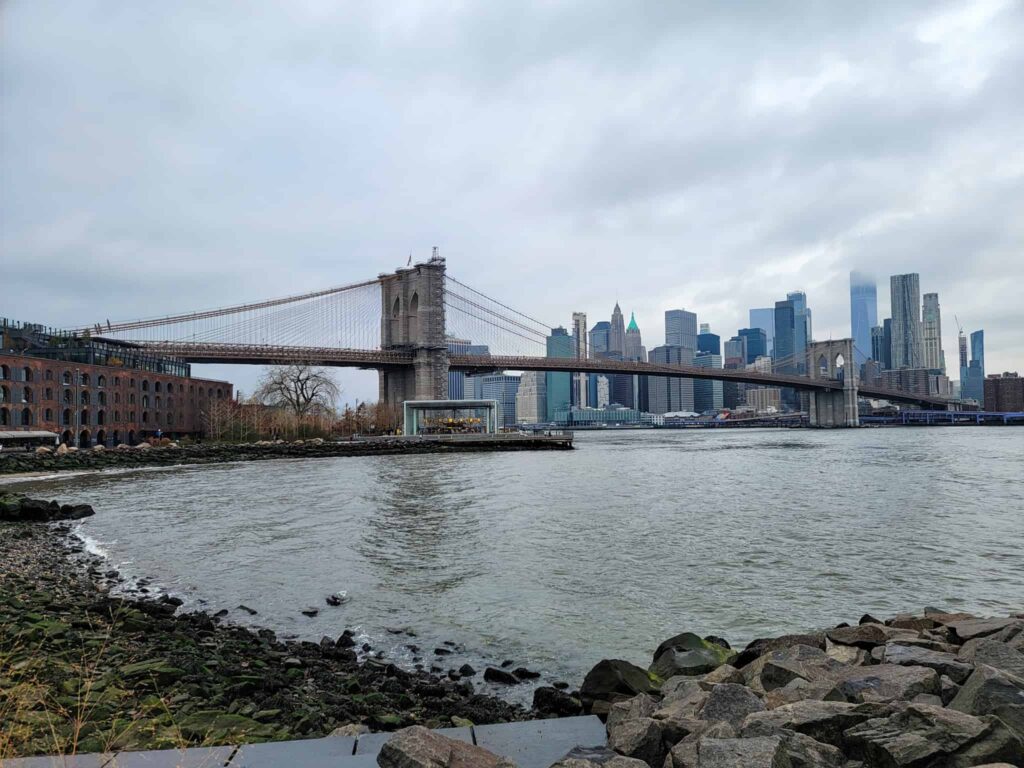
Best neighborhoods to live in NYC for first-time movers
Choosing the right neighborhood in NYC can feel overwhelming because every area has a completely different vibe. I remember how confusing it was when I first moved, because everything looked good on paper.
Over time, I realized that the best neighborhood isn’t just about price. It’s about your lifestyle, commute, and what you enjoy doing in your free time.
Best neighborhood for convenience: Midtown Manhattan
Midtown is one of the most convenient places to live, especially if it’s your first time in NYC. You’re close to major subway lines, offices, and landmarks like Times Square and Rockefeller Center.
I’ve stayed in Midtown before, and it makes getting around incredibly easy. The downside is that it’s always busy and filled with tourists. Still, if you want to minimize commuting time, it’s a great option.
Best for a lively social scene: Lower East Side
If you enjoy going out, the Lower East Side is one of the best neighborhoods to live in. There are tons of bars, restaurants, and nightlife options within walking distance.
I love this area for its energy and diversity. It’s perfect if you want to meet people and be in the middle of the action. Just keep in mind that it can get noisy, especially on weekends.
Best for a residential feel: Upper East Side and Upper West Side
The Upper East Side and Upper West Side feel calmer and more residential compared to downtown areas. They’re both close to Central Park, which is a huge plus.
I like these neighborhoods when I want a quieter lifestyle without leaving Manhattan. You’ll find more space, tree-lined streets, and plenty of cafés and grocery stores.
Best for work-life balance: Lower Manhattan / Financial District
Lower Manhattan, including the Financial District and Battery Park, is great if you work nearby. You can walk to the office, which is a huge advantage in NYC.
I always recommend this area for people who want a quieter home base. It’s busy during weekdays, but weekends are much calmer. Plus, you’re close to the waterfront and ferry access.
Best for a local, trendy vibe: Brooklyn
If you want a more local feel, Brooklyn is a great choice. Neighborhoods like Williamsburg, DUMBO, and Brooklyn Heights offer great restaurants, cafés, and shops.
I love Brooklyn because it feels less touristy, but you can still reach Manhattan quickly. It’s a great option if you want more space and a slightly slower pace.
My honest advice
When choosing where to live, I always recommend prioritizing your commute and daily routine. Living close to a subway line can make a huge difference in your quality of life.
It’s also worth visiting neighborhoods in person if you can. Walking around gives you a much better feel than just looking at listings online.
At the end of the day, there’s no perfect neighborhood in NYC. But once you find the one that fits your lifestyle, the city starts to feel like home.
What it’s really like moving to NYC alone
Moving to New York City alone is exciting, but it’s also overwhelming at times. I remember feeling a mix of adrenaline and anxiety when I first arrived. Everything moves fast, and it can feel like you need to figure things out quickly.
At the beginning, the city can feel a bit lonely. You’re surrounded by millions of people, yet you don’t really know anyone. I definitely had moments where I questioned my decision, especially in the first few weeks.
But at the same time, there’s something incredibly empowering about being on your own in a city like this. You learn how to rely on yourself, make decisions quickly, and adapt to new situations. That confidence stays with you long after.
The pace of life
NYC moves fast, and you feel it immediately. People walk quickly, talk quickly, and expect things to happen fast. At first, it can feel intense, but you eventually adapt.
I actually grew to love the energy. It makes you feel productive and motivated, even on days when you don’t have much planned.
Making friends takes effort
Making friends in NYC doesn’t always happen naturally. People are busy, and everyone has their own routine.
I realized early on that I had to put myself out there. Saying yes to plans, trying new activities, and being open to conversations made a huge difference. Over time, you start building your circle.
You learn to do things alone
One of the biggest shifts is getting comfortable doing things alone. You’ll go to cafés, restaurants, parks, and even events by yourself.
At first, it might feel uncomfortable, but NYC is one of the best places in the world to be alone. No one is paying attention, and everyone is doing their own thing.
I actually started to enjoy solo time more than I expected. It became one of my favorite parts of living in the city.
Small wins feel big
Living in NYC makes you appreciate small wins. Finding a great apartment, discovering a new coffee shop, or navigating the subway without getting lost feels like an achievement.
I remember how proud I felt the first time I truly felt “settled.” It doesn’t happen overnight, but when it does, it’s incredibly rewarding.
It’s not always easy, but it’s worth it
There will be challenging days. The cost of living is high, apartments are small, and the city can feel exhausting at times.
But NYC also gives you experiences, opportunities, and growth that are hard to find anywhere else.
Looking back, moving to NYC alone was one of the best decisions I’ve ever made. It pushed me out of my comfort zone and helped me grow in ways I didn’t expect.

How to make friends in NYC
New Yorkers have a reputation for being rude, but that’s not really the case. People here are just busy and very focused on their own lives. Most are juggling work, social plans, and long commutes, so small talk with strangers isn’t always a priority.
Even though there are over 8 million people in NYC, making friends doesn’t always happen naturally. I realized pretty quickly that if I didn’t make an effort, it was easy to feel a bit isolated.
Be intentional about meeting people
The biggest shift for me was treating making friends as something intentional. It doesn’t just happen by chance like it might in smaller cities.
Saying yes to invitations, even when you’re tired, can make a huge difference. A lot of friendships in NYC start from random plans that you almost didn’t go to.
Make friends through work
Work is one of the easiest places to meet people in NYC. You already spend a lot of time together, so it’s natural to build connections.
I made some of my first friends through coworkers, whether it was grabbing lunch, after-work drinks, or just chatting during the day. It’s a great starting point, especially when you’re new to the city.
Join communities and activities
Joining a group or activity is one of the best ways to meet like-minded people. Fitness classes, book clubs, networking events, or volunteering are all great options.
One fun example is City Girls Who Walk, where women meet for weekly walks and socializing. It’s a relaxed way to meet people without pressure.
When you consistently show up to the same activity, you naturally start recognizing familiar faces, and conversations become easier.
Explore social events and meetups
NYC has endless events happening every week. From networking events to creative workshops, there’s always something going on.
I found that going to events alone actually made it easier to meet people. You’re more open to conversations, and others are often in the same situation.
Give it time
Building a social circle in NYC takes time, and that’s completely normal. It won’t happen overnight, but if you stay consistent and open, it will happen.
Looking back, once I found my people, the city felt completely different. It went from overwhelming to feeling like home.
Daily life in NYC: what to expect
Living in New York City is very different from visiting. When you move here, you quickly realize that everyday life comes with its own rhythm and challenges.
Over time, you adapt, but there are a few things that might surprise you in the beginning.
Small spaces are the norm
Apartments in NYC are small, and that’s something you have to get used to quickly. Even if you’re paying a high rent, space is limited.
I remember having to be very intentional with what I owned because storage space was minimal. Over time, you learn to live with less and make the most of what you have.
Groceries and daily errands
Grocery shopping in NYC can feel different, especially if you’re used to big supermarkets. Stores are often smaller, and prices can be higher.
I found myself shopping more frequently and buying only what I could carry home. On the bright side, you’ll find amazing local markets, specialty stores, and delis on almost every block.
Laundry is a process
Laundry is rarely as simple as throwing clothes into a machine at home. Most people either use a shared laundry room or go to a laundromat.
At first, it feels inconvenient, but it becomes part of your routine. Some people also use wash-and-fold services, which save time but cost more.
The city is always on
One thing you notice quickly is that NYC never really slows down. There’s always noise, movement, and something happening outside.
I actually grew to love this. Even late at night, the city feels alive, which can be comforting when you live alone.
Getting used to the pace
Life in NYC moves fast, and you feel it in your daily routine. People walk quickly, expect efficiency, and don’t like wasting time.
At first, it can feel overwhelming, but you adapt faster than you think. Eventually, you find your own rhythm within the chaos.
You’ll walk everywhere
Walking becomes part of your daily life in NYC. Even if you take the subway, you’ll still walk a lot between destinations.
I always tell people to invest in comfortable shoes because you’ll be on your feet more than you expect. The upside is that you naturally explore the city just by going about your day.
It becomes normal faster than you think
What feels overwhelming at first quickly becomes routine. The subway, the crowds, the noise, and even the small apartments start to feel normal.
I remember the moment when I realized NYC no longer felt chaotic, it just felt like home.
Safety tips for living alone in NYC
New York City is generally safe, especially compared to how it’s often portrayed in movies. I lived here for years and felt safe most of the time.
That said, like any big city, it’s important to stay aware and take a few basic precautions, especially when you’re living alone.
Stay aware of your surroundings
The most important habit is simply paying attention to what’s happening around you. I avoid walking while distracted on my phone, especially in crowded areas or late at night.
Most of the time, just being aware and confident is enough to avoid uncomfortable situations.
Choose your routes wisely
Not all streets feel the same, especially at night. I always stick to well-lit, busy streets when walking home, even if it adds a few extra minutes.
In quieter neighborhoods, I’m more mindful of my surroundings and avoid empty blocks when possible.
Use the subway smartly
The subway is safe and widely used, even at night. I usually wait near other people on the platform and choose train cars that aren’t empty.
If a car feels off for any reason, I simply switch at the next stop. It’s a normal thing to do in NYC.
Be careful with your belongings
Pickpocketing isn’t extremely common, but it can happen in crowded places like Times Square or on packed trains.
I keep my bag zipped and avoid putting valuables in easy-to-reach pockets. Small habits like this make a big difference.
Apartment safety matters
When choosing an apartment, I always check the building’s security. Features like a secure entrance, intercom, or doorman add peace of mind.
Once you move in, simple habits like locking doors and not buzzing in strangers become second nature.
Trust your instincts
This is something I learned quickly living alone in NYC. If something feels off, it probably is.
Whether it’s a street, a situation, or a person, I don’t overthink it. I just remove myself and move on.
My honest take
Living alone in NYC might sound intimidating, but it’s very doable. Once you learn the basics and build awareness, it becomes part of your routine.
I actually found NYC to feel safer than expected because there are always people around and the city is so active.
Before you move to NYC alone: checklist
Moving to New York City is exciting, but being prepared makes the transition so much smoother. I wish I had a clear checklist before I moved, because there are a lot of small details that can catch you off guard.
Save enough money
NYC is expensive, especially at the beginning. I recommend saving at least three to six months of living expenses before moving.
This gives you a safety net while you settle in, find your routine, and adjust to the cost of living.
Secure a job or income
Most landlords require proof of income before approving your application. Ideally, you should have a job lined up before moving.
If not, be prepared to show savings or use a guarantor to secure an apartment.
Prepare your documents
Apartment hunting in NYC moves fast, so having your documents ready is essential.
I always recommend having copies of your ID, proof of income, bank statements, and credit score prepared in advance. This can make the difference between getting an apartment or losing it.
Research neighborhoods
Each neighborhood in NYC has a completely different vibe. Before committing to a lease, spend time researching and, if possible, visiting areas in person.
I found that walking around a neighborhood gave me a much better feel than just looking at listings online.
Pack smart
Space is limited in NYC apartments, so it’s important to pack only what you need.
I learned quickly that less is more when it comes to living comfortably in a smaller space. You can always buy things later once you settle in.
Plan your first weeks
Your first few weeks in NYC can feel overwhelming, so having a loose plan helps.
I like to map out essentials like grocery stores, subway stations, and coffee shops near my apartment. It makes the city feel more familiar much faster.
Be open to the experience
Moving to NYC alone is a big step, and not everything will go perfectly.
There will be challenges, but there will also be incredible moments that make it all worth it. Staying open and adaptable makes the experience so much more enjoyable.
✈️ Heading to NYC soon? Check out these guides:
Need inspiration for your next trip? Check out some of my other articles.
Florence 4 day itinerary: the best guide for solo travelers
Solo female travel to London: the ultimate guide
Paris solo travel: everything you need to know
The best guide for solo travel to Amsterdam
Athens 4 day itinerary: ultimate guide for your first visit
Madrid in 5 days: the ultimate first visit itinerary
4 Day Dublin itinerary: everything you need to know
Solo travel in Milan: the best things to do
Solo travel to Toronto: the ultimate 2 day itinerary

Ioana is a Romanian-born solo traveler and full-time travel blogger who has explored 30+ countries since starting her solo adventures at age 31. She shares practical travel tips, detailed itineraries, and insider recommendations to help fellow travelers experience destinations like a local. Her blog gets 100K+ views per month and her Instagram community has 80K+ people. Her work has been featured in The Daily Express, Euronews, Bored Panda, Yahoo, MSN and more. Learn more about her here.